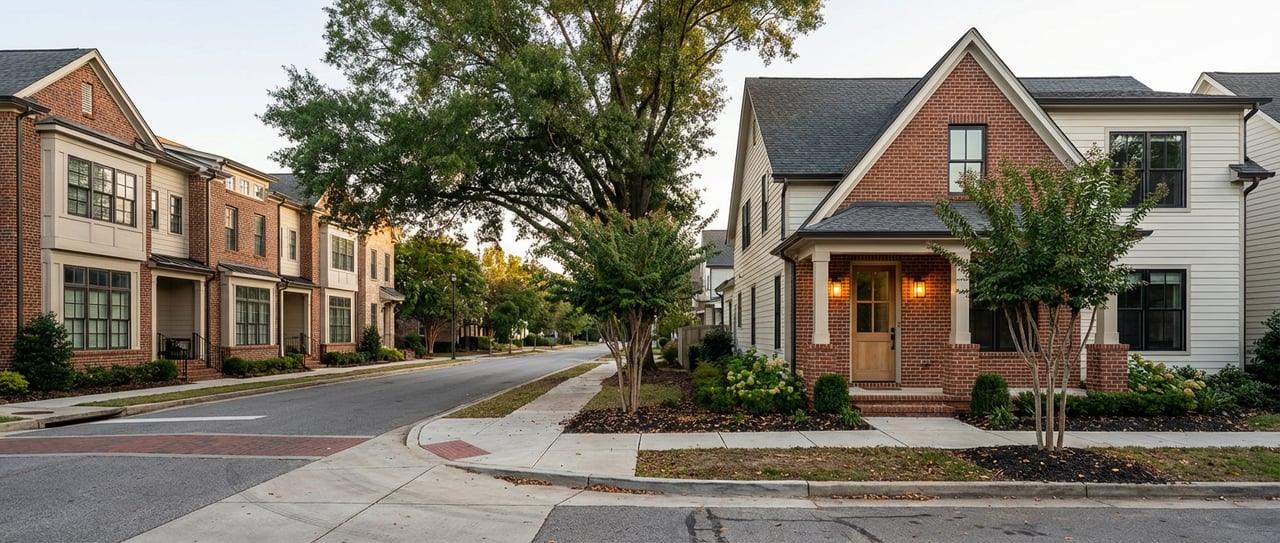
Torn between the energy of Downtown Duluth and the breathing room of nearby suburbs? You are not alone. Many buyers love Duluth’s blend of walkable charm and classic neighborhood living, but choosing the right fit comes down to your daily rhythms, commute, and space needs. In this guide, you will compare lifestyle tradeoffs, housing types, HOA costs, and commute realities so you can choose with confidence. Let’s dive in.
Quick Duluth snapshot
Duluth sits in northeast Gwinnett County with a population around 33,157 and a median household income near $95,300. The median owner-occupied home value is about $400,800, and the city’s mean one-way commute time is roughly 29.9 minutes. These figures set a helpful baseline for planning budget and commute expectations. See the city’s QuickFacts for details.
Recent market snapshots in the Duluth area have shown median sale prices in the low-to-mid $400,000s. That average moves month to month and can swing based on micro-areas, such as townhome clusters, condos, and high-end gated subdivisions. Your final number should come from a current MLS search for your specific neighborhood and property type.
Geographically, Duluth runs along the I-85 corridor northeast of Atlanta. Typical driving distance to central Atlanta is about 25 to 35 miles. In light traffic, plan on roughly 30 to 50 minutes, with rush hour adding more time. For orientation, review this overview of driving distance and time to Atlanta.
What you get in Downtown Duluth
Walkable core and daily feel
Downtown Duluth centers on the Town Green, Main Street, and Parsons Alley. The Town Green is a lively civic space used for farmers markets, concerts, and seasonal gatherings like the Duluth Fall Festival. To get a sense of the setting, explore the Duluth Town Green profile and the city’s event communications on Downtown notices and updates.
Walkability stands out. Addresses near the Town Green and Main Street often score higher than the citywide average, with some spots posting Walk Scores in the 60s. If living on foot is a priority, check the Walk Score for any specific address you are considering.
Housing types and maintenance
In and around Downtown, you will find condo flats, low-rise or mid-rise buildings, and townhomes. There are also a few historic small-lot single-family homes and new infill townhomes. Price per square foot often runs higher than larger suburban homes due to the core location and walkable amenities.
Many downtown residences are part of a homeowners association. Typical condo and townhome dues in this area often land in the low hundreds per month, depending on amenities. Dues commonly include exterior maintenance and common-area care, and sometimes trash, water, and reserves. Always verify the current amount and coverage in the listing and the association documents.
Parking and everyday convenience
Some buildings offer assigned parking or small surface lots, while street and municipal lots serve restaurants and shops. Event days can increase foot traffic and reduce on-street availability. If you own multiple vehicles or host frequent guests, confirm the number of assigned spaces, guest-parking rules, and any restrictions in the HOA documents. It also helps to drive through during a planned event referenced in the city’s downtown updates.
Downtown pros and cons
- Pros: walkable dining and errands, easy access to community events, less yardwork, and shorter local trips within town.
- Cons: limited private outdoor space, HOA rules and dues, more ambient noise during events, and potentially tighter parking options.
What you get in the Duluth suburbs
Space, yards, and home styles
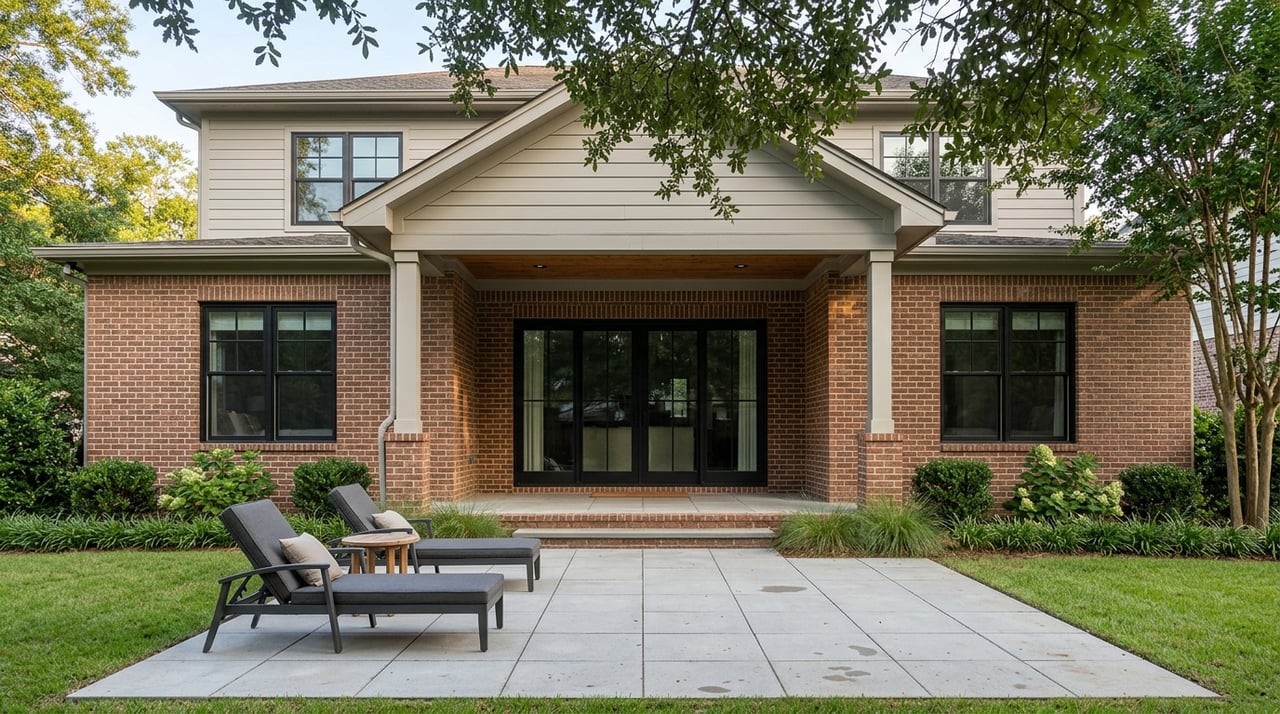
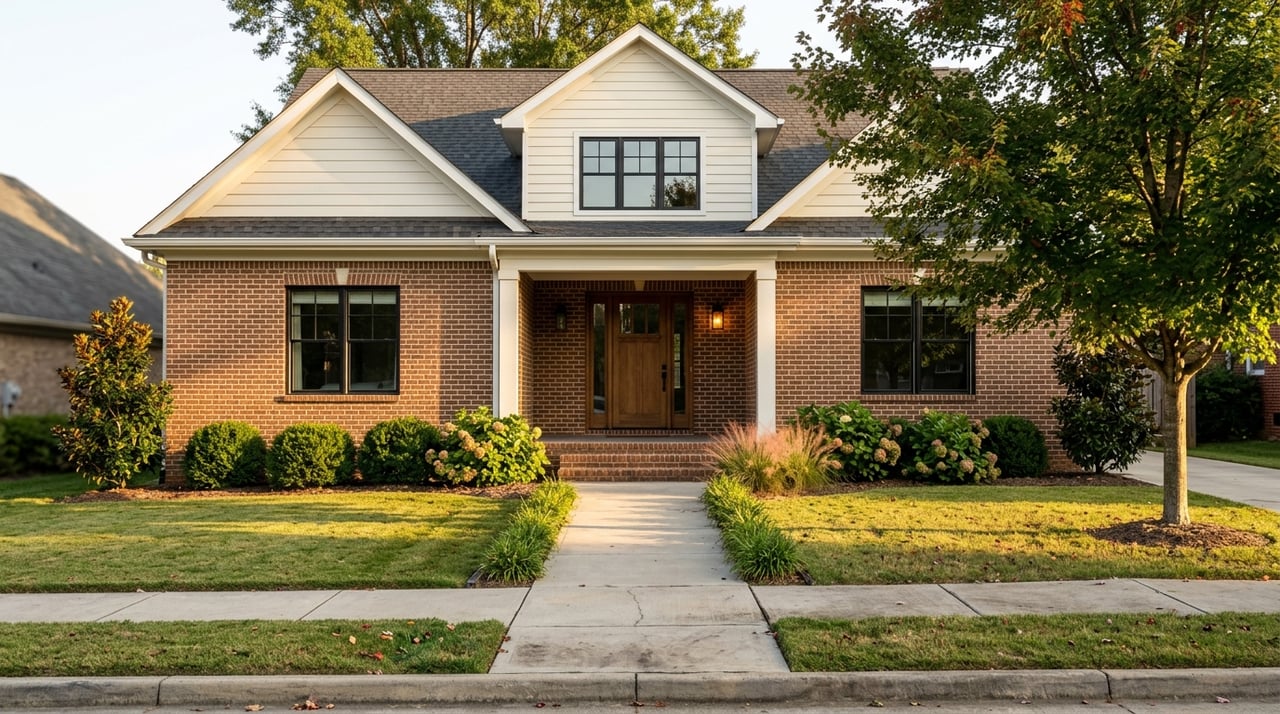
Surrounding Duluth neighborhoods and master-planned communities emphasize single-family living and extra space. Lot sizes often range from about 0.2 to 0.5 acres in established subdivisions, with some homes on 0.5 to 1.0 acres or more in select areas. If you want a private driveway, a larger yard, and room to spread out, the suburbs deliver.
You will see a mix of architectural styles and neighborhood types. Planned or gated communities such as Stonebrier at Sugarloaf, Sweet Bottom Plantation, Hampton Arbors, and Stillwater Plantation typically feature consistent design standards, shared amenities, and community programming. Always review covenants to confirm rules and community features.
Amenities and HOAs
Many planned neighborhoods include clubhouses, pools, tennis courts, playgrounds, private roads, or gated entries. HOA structures vary. Some single-family neighborhoods bill annually or quarterly, while condo-style communities charge monthly dues. Examples seen in recent listings include Stonebrier at Sugarloaf with an annual HOA near $1,700 and higher-amenity neighborhoods in the low thousands per year. Treat these as illustrative. You should verify amounts, billing frequency, and coverage in the listing and the association’s official documents.
Parks, schools, and family rhythms
Suburban locations appeal to buyers who prioritize yard space and easy access to parks. A popular option is McDaniel Farm Park, which offers historic landscapes, walking trails, and open green space.
Public schools follow Gwinnett County’s cluster model. The Duluth cluster includes multiple elementary schools, two middle schools, and Duluth High serving different attendance zones. School alignment is a common driver of neighborhood choice. Start with the Duluth cluster overview on Gwinnett County Public Schools and use the county’s address-based lookup to confirm attendance zones for any home you are considering.
Commutes and connectivity
A car-based pattern still defines many trips in the suburbs. The city’s mean one-way commute of about 29.9 minutes reflects that reality. You can confirm this baseline at U.S. Census QuickFacts.
Ride Gwinnett provides local bus connections and park-and-ride options. Heavy rail service is not currently embedded throughout Gwinnett County. The county transit plan emphasizes bus routes, microtransit, and select rapid bus initiatives. For route details and eligibility programs, review the county’s transit information and confirm the latest service maps.
Suburban pros and cons
- Pros: larger homes and yards, more private parking and storage, neighborhood amenities, and quieter streets in many areas.
- Cons: more home and yard maintenance, longer average commutes, HOA rules in planned communities, and less walkability to daily errands.
Side-by-side checklist: Downtown vs suburb
Use this quick checklist to focus your search on the best-fit Duluth lifestyle.
- Commute priorities: measure real-time drive times from candidate addresses to your workplace during peak hours. For city context, the mean one-way commute is about 29.9 minutes according to Census QuickFacts.
- Walkability and lifestyle: if dining, coffee, and events on foot matter, zero in on Downtown. If space and a quiet street are top priorities, look suburban. Check the Walk Score for each address and list a few nearby amenities.
- Space and lots: downtown townhomes and condos maximize convenience with smaller private outdoor areas. Suburban homes often sit on 0.2 to 0.5 acres or more. Decide how much yard you truly want to maintain.
- HOA exposure: downtown condos and townhomes often have monthly dues that cover exterior and common-area upkeep, sometimes utilities. Planned or gated suburbs more often have annual or quarterly dues for amenities and private roads. Verify current amounts and rules in association documents.
- Schools and family needs: if school cluster alignment matters, start with the Duluth cluster overview and confirm zones with the county’s address-based lookup on GCPS.
- Resale and buyer pool: condos near Town Green tend to attract buyers who value walkability and low maintenance. Suburban single-family homes often draw buyers seeking more space and yard. Ask your agent for days-on-market and comps specific to your micro-area.
- Noise and events: proximity to the Town Green is a plus if you love community gatherings. If you prefer quiet weekends, test-drive the area on an event day and review city downtown updates for a feel of traffic patterns.
Which option fits your daily life?
Choose Downtown Duluth if you want to walk to dinner, coffee, and concerts, prefer lower maintenance, and plan to keep one or two vehicles. The event calendar, civic spaces, and mixed-use setting can make daily life feel connected and convenient.
Choose the suburbs around Duluth if you want more bedrooms or flex space, a bigger yard, a private driveway, and community amenities like pools and tennis. You will likely add some commute time, but you gain room to grow and a classic neighborhood setting.
Not sure? Tour both on the same day. Start with a morning coffee walk downtown, then drive to a few suburban neighborhoods during school pickup or evening commute. Bring a tape measure for yard dimensions, check HOA summaries, and test parking on nights when events are scheduled.
How we help you decide
You should not have to guess your way into a neighborhood fit. With deep Gwinnett roots and a data-informed approach, we will map your commute windows, verify HOA details, and compare real comps at the micro-neighborhood level. Our goal is to help you feel confident about both the home and the lifestyle that comes with it.
Ready to explore Downtown Duluth and the surrounding suburbs side by side? Schedule a tour plan and pricing consult with Joshua Vigliotti.
FAQs
Will living in Downtown Duluth shorten my commute?
- Not necessarily. Duluth’s mean one-way commute is about 29.9 minutes, which reflects regional driving patterns. Downtown shortens local errands, but it does not guarantee a faster drive to distant job centers. Review Census QuickFacts and test live traffic from your address.
How much are typical HOA fees in Duluth?
- Many downtown condos and townhomes list monthly dues in the low hundreds that cover exterior and common areas. Planned or gated suburban communities often bill annually or quarterly, ranging from around a thousand dollars per year to a few thousand in higher-amenity neighborhoods. Always confirm specifics in the listing and HOA documents.
Are there parks and family-friendly spaces near Downtown?
- Yes. The Town Green hosts regular community events, and larger county parks such as McDaniel Farm Park are a short drive for open space, trails, and picnics.
What is the typical lot size in Duluth’s suburbs?
- Many established subdivisions feature lots around 0.2 to 0.5 acres, with some homes on 0.5 to 1.0 acres or more. Compare listings in your target neighborhoods to match your yard-size preferences.
How walkable is Downtown Duluth compared with the rest of the city?
- Addresses near the Town Green and Main Street often post higher Walk Scores than the city average, with some around the 60s. Check Walk Score by address to assess your exact location.
How far is Duluth from Atlanta and how long is the drive?
- Duluth is roughly 25 to 35 miles from central Atlanta. In lighter traffic, the drive often takes 30 to 50 minutes. Review this overview of driving times to Atlanta and then test your route during peak hours.