Starting a new job in Atlanta is exciting, but choosing where to live can shape your day-to-day life just as much as the role itself. If you want a suburb that puts you close to major employment centers while still offering a range of housing options, Dunwoody deserves a serious look. Here’s what you should know about commuting, housing, and how to plan a smart move before you sign a lease or buy a home. Let’s dive in.
Why Dunwoody fits Atlanta commuters
Dunwoody is not just a suburb outside Atlanta. It sits in the central Perimeter business district, which gives you access to a major job hub without needing to live deep in the city.
The city identifies the Perimeter area as a center for headquarters, access, and talent. Major destinations and employers in and around this district include Perimeter Mall, High Street, Ravinia, Terraces, Campus 244, Insight Global, IHG, State Farm, and TriNet. For many relocating professionals, that means your home base may be closer to work than you expect.
This setup can be especially useful if your job is in Perimeter or on Atlanta’s north side. Instead of thinking of Dunwoody as only a residential community, it helps to think of it as a place where housing, transit, offices, dining, and shopping already overlap.
Commute options from Dunwoody
MARTA rail access
Dunwoody Station is on MARTA’s Red Line, which gives you direct rail access to Buckhead, Midtown, Downtown, and Hartsfield-Jackson. The station has 1,091 parking spaces, which can be a big plus if you plan to drive to transit.
Current MARTA service information shows weekday train frequency of about every 10 minutes during peak periods, about every 20 minutes in the evening, and around every 20 minutes on weekends. If your office is near a rail stop, that can make Dunwoody a strong relocation option.
Bus connections matter too
Rail gets most of the attention, but bus service can help fill in the gaps. Route 5 connects Dunwoody Station with Lindbergh Center, Buckhead, Sandy Springs City Hall, and Perimeter Mall.
Route 150 runs east-west from Dunwoody Station to Dunwoody Village and includes weekday peak-only trips to Jett Ferry Road. If your work or errands are not right next to the train, these routes may still support part of your daily routine.
The last mile is real
One of the biggest relocation mistakes is assuming a home is convenient just because it is in the right city. Dunwoody’s own planning documents point out that station-to-destination connections still matter, especially in the Perimeter area.
The city, nearby jurisdictions, and the Perimeter Community Improvement Districts are studying and improving bicycle, pedestrian, trail, and roadway links. Dunwoody’s trail master plan says the system will eventually connect residents to parks, shopping centers, and two MARTA stations across 68 miles of existing, planned, and proposed trails.
That is promising, but it also means you should test the exact route from a home to your office, transit stop, and regular errands. In real life, a short distance on a map does not always feel easy during rush hour.
What housing looks like in Dunwoody
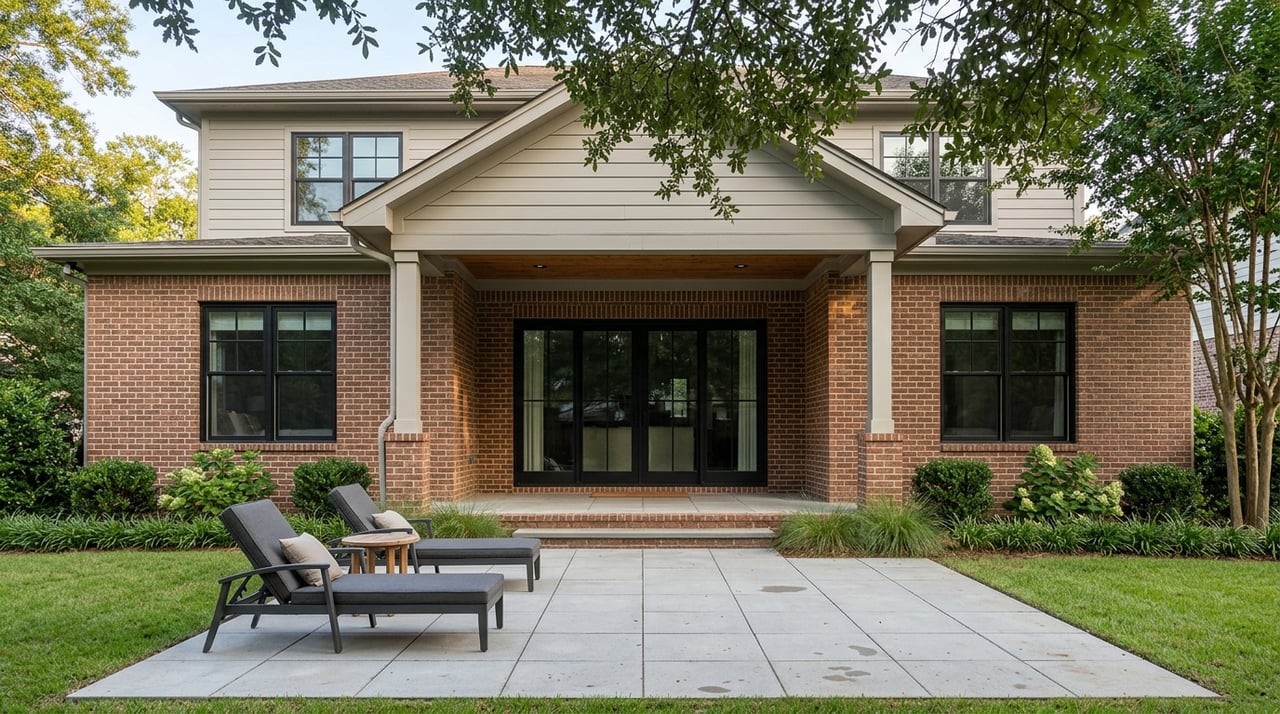
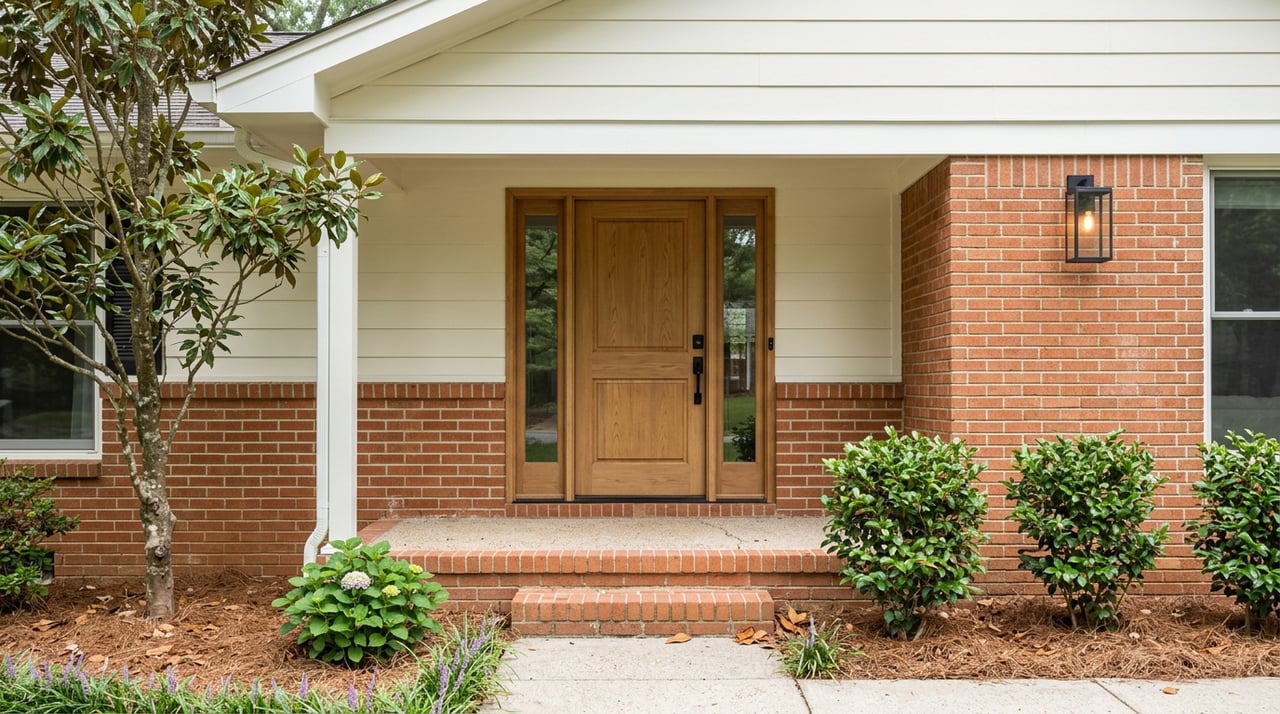
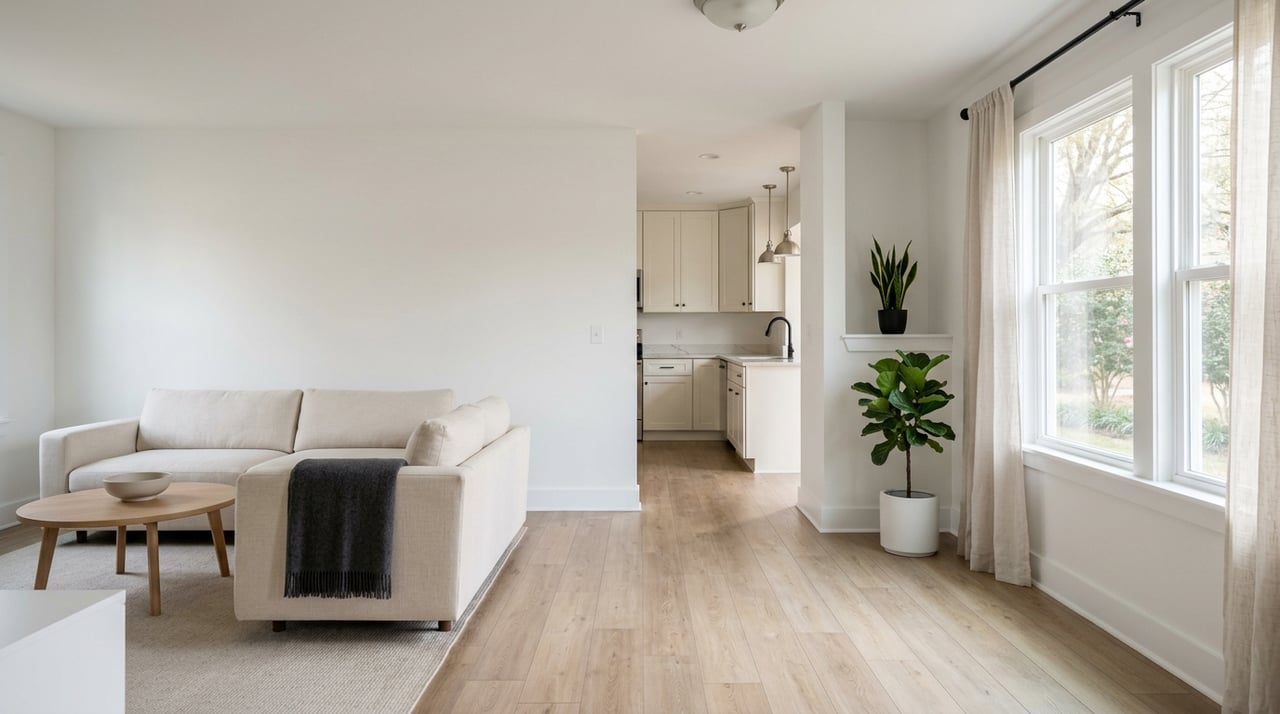
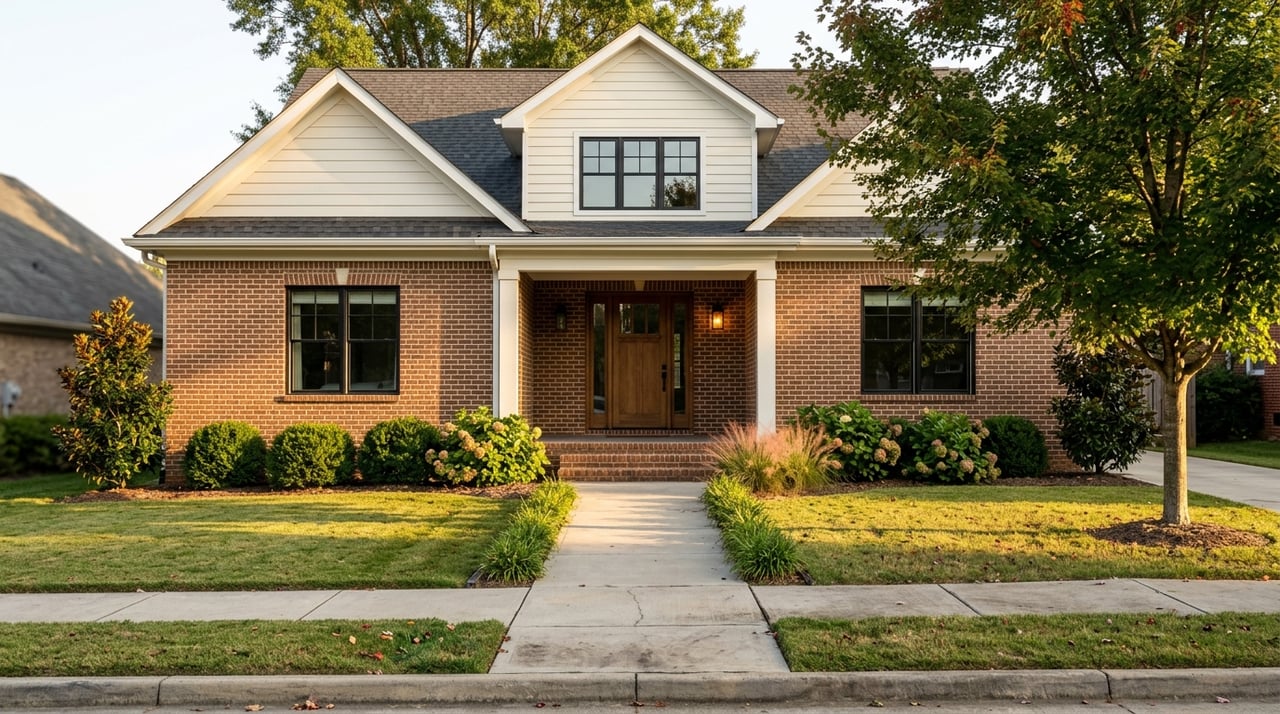
One reason Dunwoody stands out for relocation is housing variety. The city describes a mix of older neighborhoods with spacious, well-built homes and large lots, along with newer apartments, condominiums, cluster homes, and live-work-play options.
That gives you more than one path depending on your goals. If you want a lower-maintenance landing spot close to mixed-use activity, areas near Dunwoody Station, Perimeter Center, High Street, or Ashford Lane may be worth exploring. If you want more separation from the station core, established single-family areas may be a better fit.
Dunwoody’s planning documents also note that residents want more housing variety while still preserving neighborhood character and greenspace. For you, that is useful context because it shows a city trying to grow without losing the suburban feel that draws many buyers in the first place.
Key housing numbers to know
At the census level, Dunwoody remains a largely owner-occupied community. The owner-occupied housing rate is 56.2%.
The median value of owner-occupied homes is $602,900, and the median gross rent is $1,859. If you are moving for work and deciding whether to rent first or buy right away, these numbers can help frame your budget and expectations.
How Dunwoody compares to nearby suburbs
If you are relocating from out of state, you may also be comparing Dunwoody with other north-side suburbs. On home value, Dunwoody often lands in the middle of the pack.
Here is how median owner-occupied home values compare:
| Area | Median Home Value |
|---|---|
| Dunwoody | $602,900 |
| Sandy Springs | $619,800 |
| Brookhaven | $692,700 |
| Chamblee | $432,800 |
| Peachtree Corners | $484,700 |
| Alpharetta | $649,000 |
Owner-occupancy rates also vary across these areas. Dunwoody is at 56.2%, compared with 50.2% in Sandy Springs, 52.6% in Brookhaven, 39.7% in Chamblee, 53.0% in Peachtree Corners, and 65.1% in Alpharetta.
The practical takeaway is simple. Dunwoody can be a middle-ground choice for buyers who want an established suburb, a solid owner-occupied base, and north-side transit access, without jumping to the higher median values seen in some nearby markets.
How to plan a move to Dunwoody
Start with your office location
Before you fall in love with a home, anchor your search to where you work. A move to Dunwoody can feel very different depending on whether your office is in Perimeter, Buckhead, Midtown, or Downtown.
If your job is in Perimeter, Dunwoody may offer a very direct setup. If your office is farther south, transit access may still help, but your exact starting point inside Dunwoody will matter more.
Build a short list around access
For each home you consider, check three basics:
- Distance to Dunwoody Station or MARTA Route 5 or 150
- Access to grocery, dining, and everyday errands
- Whether the street connects well or feels more car-dependent
This matters because the city’s own plans highlight both strong transit access and ongoing connectivity gaps. A home can look close on paper and still feel less convenient than expected.
Use virtual tours with purpose
If you are moving from out of area, a standard video tour is not always enough. Ask for a walkthrough that starts at the street, shows parking and entry, and then gives you a feel for how the home connects to the road network or nearest transit option.
In Dunwoody, it is smart to ask about road noise, driveway or garage layout, guest parking, and how close the home is to mixed-use activity if it is near High Street, Ashford Lane, or Perimeter Center. Those details can affect your daily routine more than listing photos suggest.
Plan at least one in-person visit
If you can make one trip before choosing a home, use it carefully. Visit once during weekday rush hour and once on a weekend.
A weekday visit helps you experience the real commute. A weekend visit helps you see whether the area still feels convenient and comfortable when work is not driving your schedule.
Compare backups the same way
Even if Dunwoody is your front-runner, compare it with Sandy Springs, Brookhaven, Chamblee, Peachtree Corners, and Alpharetta using the same checklist. Looking at each option through the same commute, housing, and convenience lens can keep you from making a rushed decision.
The goal is not just to find a house. The goal is to find the suburb that fits the way you actually live and work.
The bottom line on relocating to Dunwoody
Dunwoody works well for many Atlanta-area professionals because it combines access to a major job center with a broad mix of housing types and direct MARTA connectivity. It can offer a practical middle ground if you want suburban living without giving up north-side access to offices, retail, and transit.
That said, the right fit depends on your exact office location, commute style, and budget. If you are relocating from out of area, the smartest move is to evaluate each home based on the real route you will use every day, not just the zip code.
If you want help narrowing your options and building a relocation plan that fits your timeline, budget, and commute goals, reach out to Joshua Vigliotti for personalized guidance.
FAQs
Is Dunwoody a good place to live if you work in Atlanta Perimeter?
- Yes. Dunwoody sits in the central Perimeter business district, close to major employers, mixed-use centers, and the Dunwoody MARTA station.
Does Dunwoody have MARTA access for commuting into Atlanta?
- Yes. Dunwoody Station is on MARTA’s Red Line, with rail access to Buckhead, Midtown, Downtown, and Hartsfield-Jackson, plus bus connections including Routes 5 and 150.
What types of homes can you find in Dunwoody, GA?
- Dunwoody includes older single-family neighborhoods with larger lots, along with newer apartments, condominiums, cluster homes, and mixed-use residential options.
Is it better to rent or buy first when relocating to Dunwoody?
- That depends on your timeline and budget, but local census figures show a median home value of $602,900 and a median gross rent of $1,859, which can help you compare your options.
How does Dunwoody compare with Sandy Springs or Brookhaven for relocation?
- Dunwoody is generally in a similar price band to Sandy Springs and below Brookhaven in median home value, while also offering a solid owner-occupied base and direct Red Line access.
What should out-of-area buyers check before choosing a home in Dunwoody?
- Focus on the exact commute route, access to Dunwoody Station or key bus routes, nearby daily errands, road noise, parking setup, and how the area feels during both rush hour and the weekend.