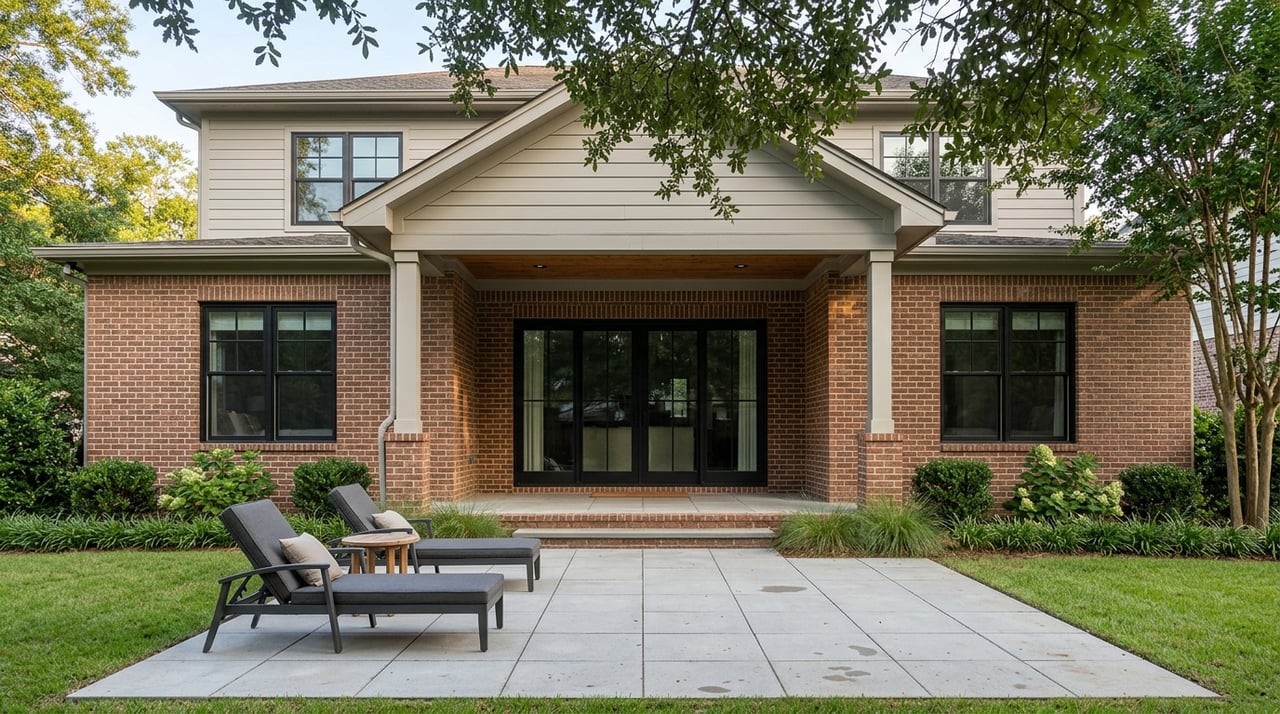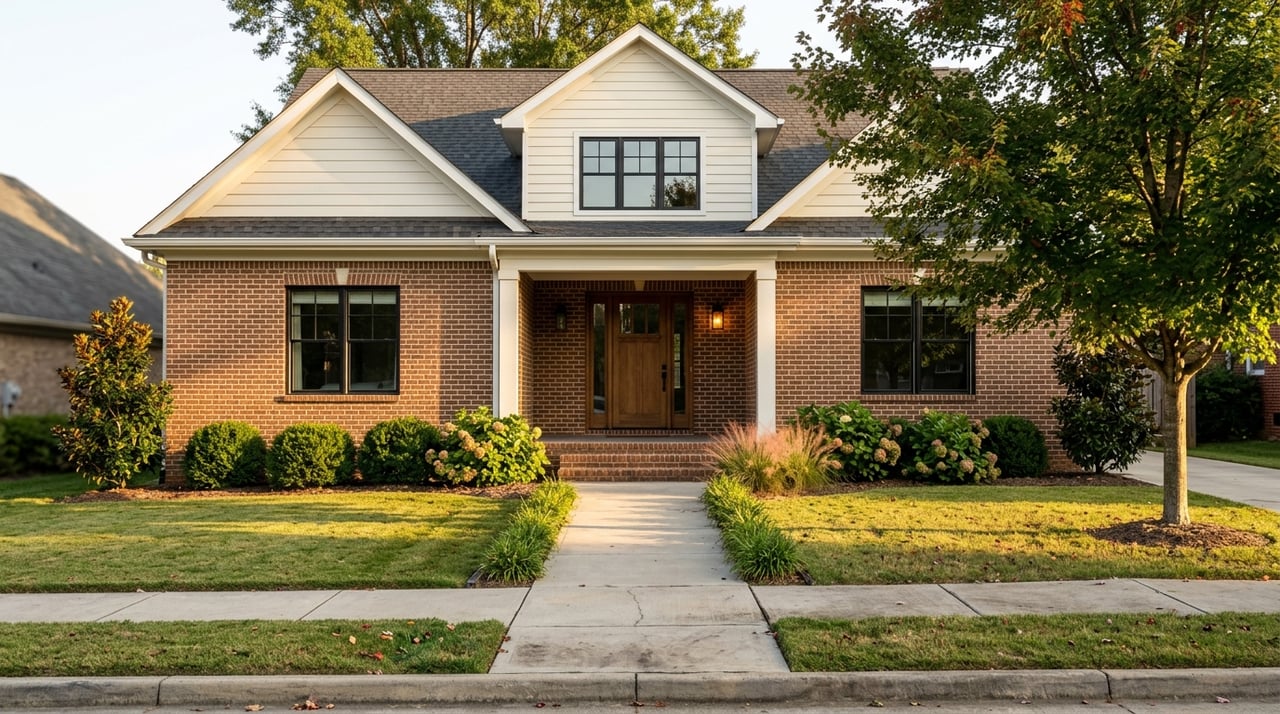
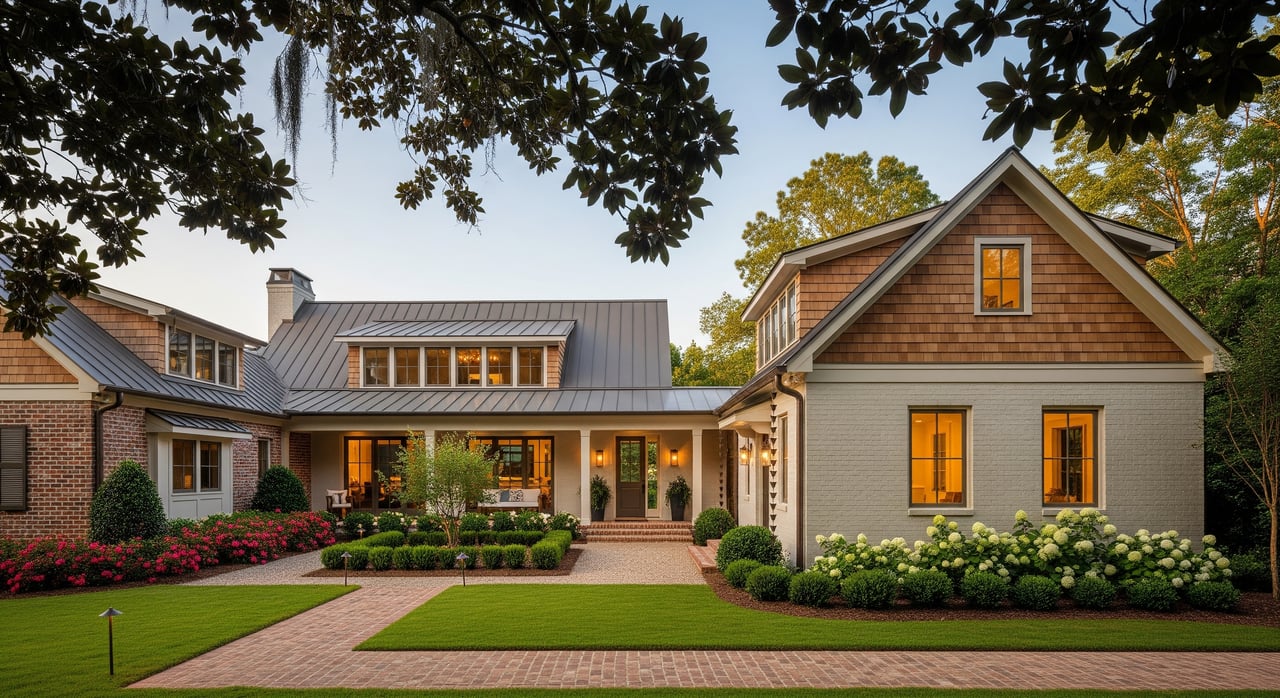
Thinking about adding a backyard cottage, garage apartment, or in-law suite to a home in Tucker? You’re not alone. ADUs can add flexibility for family, long-term guests, or rental income. The rules can feel confusing though, especially with both the City of Tucker and DeKalb County involved. In this guide, you’ll learn exactly how to confirm what’s allowed on your property, who to call, and what to bring when you speak with Planning and Zoning. Let’s dive in.
Start with jurisdiction
Before you look up any rules, confirm whether your property is inside the City of Tucker or in unincorporated DeKalb County. The answer changes which code, staff, and permit process applies.
- Use the official city or county GIS to find your Parcel ID and confirm city limits.
- Note your Parcel ID. Staff will ask for it when you call or email.
- If you sit inside city limits, the City of Tucker Planning and Zoning is your first stop. If not, start with DeKalb County Planning and Sustainability.
Gather your parcel basics
Collect a simple packet before you contact staff. It saves time and helps you get clear answers.
- Property address and Parcel ID
- Recent survey or plat, if available
- Photos of the front, back, and sides of the lot
- Deed or title page with the legal description
- HOA contact and covenants, if applicable
Confirm if an ADU is allowed
Local zoning determines if and how you can build an ADU. Ask planning staff to verify what your specific zoning district allows.
Ask about ADU use and types
Use clear terms when you reach out. Ask if an “accessory dwelling unit,” “accessory living unit,” or “accessory structure with habitable space” is permitted.
- Is an ADU an allowed or conditional use in this zoning district?
- What types are permitted: interior conversion, attached, or detached?
Size, height, setbacks, and coverage
Standards vary by district. Get the numbers for your parcel.
- Maximum ADU square footage
- Maximum lot coverage and impervious surface limits
- Height and stories allowed for detached units
- Required setbacks from front, side, and rear property lines
- Minimum separation from the main house, if detached
- Any minimum lot size requirements
Parking, occupancy, and rentals
Confirm rules that affect daily life and leasing.
- How many on-site parking spaces are required, if any?
- Are tandem spaces allowed? Can on-street parking count?
- Is owner-occupancy required in either the main home or ADU?
- Are short-term rentals allowed in ADUs? Any minimum lease terms?
Utilities and separate meters
Ask whether separate meters are allowed or required for water, gas, and electric. Some utilities permit separate service; others bill both units from one meter.
Technical and infrastructure checks
An ADU is a small home. Expect standard building, life-safety, and utility reviews along the way.
Permits and who issues them
You will likely need zoning sign-off plus building and trade permits. Confirm whether the City of Tucker or DeKalb County issues your building permits and performs inspections for your address.
- Typical permits: building, electrical, plumbing, and mechanical
- Additional permits for demolitions or major exterior work may be required
Building codes and life safety
Plans must meet adopted building codes. Expect plan review for structure, egress, insulation and energy code, and fire separation between units. You will need smoke and CO detectors and code-compliant exits. Ask staff whether sprinklers ever apply for your situation.
Sewer vs. septic
Capacity is critical.
- Public sewer: Verify capacity and whether a sewer tap or line extension is needed. Check fees with the local utility.
- Septic: Contact the county environmental health office early. You may need a soil evaluation and a system upgrade or a new system sized for the additional bedroom count.
Water, stormwater, and grading
Adding an ADU can push impervious surface limits and trigger stormwater controls. Ask whether your plan requires detention, erosion control measures, or a grading permit.
Electrical and gas service
Check service capacity with your providers. Panel upgrades or a new service drop can add cost and time. Confirm whether separate gas or electric meters are allowed.
Site constraints and easements
Look for easements, protected trees, slopes, and driveway access limits that could affect placement. A current survey helps you and staff spot issues early.
Floodplain checks
Review FEMA flood maps to confirm your flood zone. Building in a floodplain can require elevated construction or additional approvals.
Private rules and overlay districts
City or county approval does not override private covenants or local overlays.
HOAs and recorded covenants
Many neighborhoods have CC&Rs that limit secondary dwellings, rentals, or exterior changes.
- Read your recorded covenants and bylaws
- Contact your HOA for architectural review requirements and timelines
- Obtain written approval if your HOA requires it
Historic or special overlays
If you are within a historic district or overlay, extra design controls may apply. Ask staff if your parcel is subject to any overlay and what it means for size, siting, and materials.
Bring this worksheet to Planning and Zoning
Use the checklist and question script below to make your pre-application call or meeting efficient.
Documents checklist
- Address and Parcel ID
- Current survey or plat
- Deed or title page with legal description
- Lot photos: front, rear, and sides
- HOA contact and covenants, if relevant
- Utility info: water/sewer provider; septic records if any
Script: questions to ask staff
- What is my zoning district, and is an ADU or accessory living unit allowed here?
- Which types are permitted: interior, attached, or detached?
- What are the exact numeric standards for ADUs here?
- Maximum ADU square footage
- Lot coverage and impervious limits
- Height and stories; front, side, and rear setbacks
- Minimum separation from the primary dwelling
- Parking and access
- Are additional on-site spaces required? Can tandem or on-street count?
- Occupancy and rental rules
- Is owner-occupancy required? Are short-term rentals allowed?
- Any minimum lease terms?
- Utilities and septic
- Is the parcel on sewer? Any capacity or tap fees?
- If on septic, what upgrades or permits are required? Soil report needed?
- Are separate meters allowed or required?
- Permits and process
- Which permits do I need, and in what order?
- Typical review timelines and fee schedule
- Do plans need stamps from a licensed professional?
- Stormwater, tree protection, and grading
- Will my project trigger stormwater or tree requirements?
- Overlays and historic review
- Is this parcel in a historic district or overlay that adds review?
- Contacts and next steps
- Who is my point of contact, and what should I submit for an official determination?
Items staff may request
- Scaled site plan showing ADU location, setbacks, driveway, and parking
- Floor plans and elevations
- Existing and proposed impervious surface calculations
- Tree protection plan, if required
- Septic permit or soil evaluation if on septic
- Proof of covenants and any HOA approval
Timelines, costs, and common pitfalls
Every site is different, but these ranges help you plan.
Typical timelines
- Zoning confirmation or pre-application: a few days to 2–3 weeks
- Plan review for building and trades: 2–8 weeks, depending on complexity
- Construction and inspections: scheduled as work progresses
- Total concept to occupancy: about 3–9 months for simple conversions, longer for detached units or sites needing utility or septic upgrades
Cost categories to expect
- Design and plans: about $1,000 to $10,000 or more
- Building and trade permits: varies by jurisdiction, often several hundred to several thousand dollars
- Utility work: about $1,000 to $20,000 or more for panel upgrades, new service, sewer taps, or septic replacement
- Construction: interior conversions often about $10,000 to $50,000; new detached ADUs commonly about $80,000 to $250,000 or more depending on size and finishes
- Stormwater or impact fees: project dependent
- HOA application or review costs: varies
Common red flags that can stop an ADU
- Zoning district prohibits ADUs or the lot is too small
- Inadequate sewer or septic capacity
- Floodplain location or protected stream buffers
- Recorded covenants or HOA rules that prohibit secondary dwellings or rentals
- Historic district design limits on new construction
- Utility service limitations without costly upgrades
Your next steps in Tucker
- Confirm city limits and get your Parcel ID.
- Assemble your packet: survey, photos, deed, and any HOA info.
- Call Planning and Zoning to confirm whether an ADU is allowed and what standards apply.
- If needed, loop in a surveyor, architect or designer, and septic or civil engineer for early feasibility.
- Align your budget and timeline with the expected permits and utility needs.
- Get written confirmations and approvals before you build.
When you want a local, real-world perspective on which homes are ADU friendly or how an ADU could affect resale, we’re here to help. If you are exploring a home purchase with ADU potential or planning a sale and want to position your property well, connect with Lock and Key Real Estate to talk through strategy and next steps.
FAQs
How do I tell if my Tucker address is inside city limits or unincorporated DeKalb?
- Use the official city or county GIS to look up your address and Parcel ID, then confirm the jurisdiction shown on the map or parcel detail.
What permits do I need to build an ADU in Tucker or DeKalb County?
- Expect zoning sign-off plus building, electrical, plumbing, and mechanical permits, with demolitions or major exterior changes needing additional permits depending on your plan.
Can I rent an ADU as a short-term rental in Tucker?
- Rules vary by jurisdiction and zoning district; confirm with Planning and Zoning whether short-term rentals are allowed in ADUs and whether any registration or minimum lease terms apply.
Do I need separate utility meters for an ADU in Tucker?
- Some properties can add separate meters while others must share the primary meter; confirm with permitting staff and the local utility before designing service.
What if my property uses a septic system in DeKalb County?
- Contact county environmental health early; you may need a soil evaluation and a system upgrade or a new, larger system sized for the added bedroom count.