Looking for a neighborhood that feels active, walkable, and full of character? Historic Roswell stands out because it blends daily convenience with a strong sense of place. If you are thinking about living near the district, it helps to know what day-to-day life really looks like, from coffee runs and weekend events to parking, trails, and housing options. Let’s dive in.
What Makes Historic Roswell Different
Historic Roswell is more than a preserved area on a map. The National Park Service lists the Roswell Historic District on the National Register of Historic Places, with boundaries roughly defined by Big Creek, King and Dam Streets, and New Marietta Highway.
What gives the district its everyday personality is the mix of homes, shops, restaurants, museums, and gathering spaces woven into the same area. According to Visit Roswell’s overview of historic sites, the district includes Canton Street, Roswell Town Square, and landmarks like Barrington Hall, Bulloch Hall, Mimosa Hall, Smith Plantation, Roswell Mill, the Old Machine Shop, and Old Mill Park.
That means living here can feel different from living in a more typical suburban subdivision. Instead of driving out for every errand or outing, you may find that your routine naturally includes strolling to dinner, meeting friends for coffee, or taking a walk past historic homes and public green space.
What a Typical Weekday Feels Like
If you live near Canton Street or the Town Square area, your weekday can feel surprisingly connected and convenient. You might start with coffee, fit in a quick walk, and still be close to dining, retail, and public spaces later in the day.
Visit Roswell highlights local spots such as Crazy Love Coffeehouse, Table & Main, Little Alley Steak, Roswell Provisions, and Roswell Junction. That variety supports an everyday lifestyle built around simple routines like grabbing breakfast, meeting for lunch, or heading out for dinner without leaving the historic core.
For many buyers, that is a big part of the appeal. Historic Roswell is not only about the setting. It is also about how easy it can be to mix daily errands, dining, and downtime into one compact part of town.
Walkability in Historic Roswell
One reason the district feels so livable is that the city continues to support walkability. Roswell’s planning work includes the Historic District Master Plan, the East-West Alley plan, and broader bicycle and pedestrian improvements meant to connect the Historic District with parks, schools, and the Chattahoochee River.
The city’s Historic Gateway project also adds features like pedestrian crossings, sidewalks, multi-use trails, and tree canopy improvements along the approach into the district. Those investments help reinforce the small-downtown feel that many people notice right away.
That said, walkability can vary by exactly where you are. The areas closest to Canton Street, Roswell Town Square, and the historic sites tend to feel the most pedestrian-friendly, while homes farther from the core may still involve more driving for some day-to-day needs.
Parking and Event Season Reality
One of the most common questions about Historic Roswell is whether it feels too busy. The honest answer is that the district can get more active during event nights and festival season, especially around Canton Street and the square.
Roswell does offer practical parking options. The city lists more than 400 free parking spaces at City Hall, along with additional free lots, paid city-owned parking near Canton Street, and on-street parking around the square.
During major events, some parking areas near City Hall and the Cultural Arts Center can be limited. If you like energy and activity, that may feel like part of the charm. If you prefer a quieter rhythm, it is worth paying attention to how close a home sits to the busiest event corridors.
Events Shape Daily Life
Historic Roswell often feels like a neighborhood with its own built-in social calendar. According to Visit Roswell’s major events page, recurring events include Alive in Roswell on third Thursdays from April through October, the Roswell Farmers Market on Saturdays at City Hall, Music on the Hill, and Riverside Sounds at Riverside Park.
Many of these events are free, and they add a strong community feel to the area. For residents, that can mean an easy Saturday morning market stop, a casual evening out, or live music close to home.
This event-driven atmosphere is a big reason people are drawn to the district. It gives the area a lived-in feel that goes beyond architecture and history.
Outdoor Access Near the District
Historic Roswell is not all storefronts and sidewalks. Outdoor space is part of everyday life here too, especially if you enjoy walking, light hiking, or scenic public places.
Vickery Creek at Old Mill Park offers walking and hiking trails, the covered bridge, access to National Park Service trails, mill ruins, and a waterfall overlook. The city notes that the park is free to enter and includes free parking.
Roswell is also developing Founders Park as a continuous green space linking Mimosa Hall, Bulloch Hall, Holly Hill, Historic Town Square Park, and Barrington Hall. That kind of connected public space adds another layer to the district’s appeal, especially if you want your neighborhood to offer both activity and room to slow down.
Housing Options Around Historic Roswell
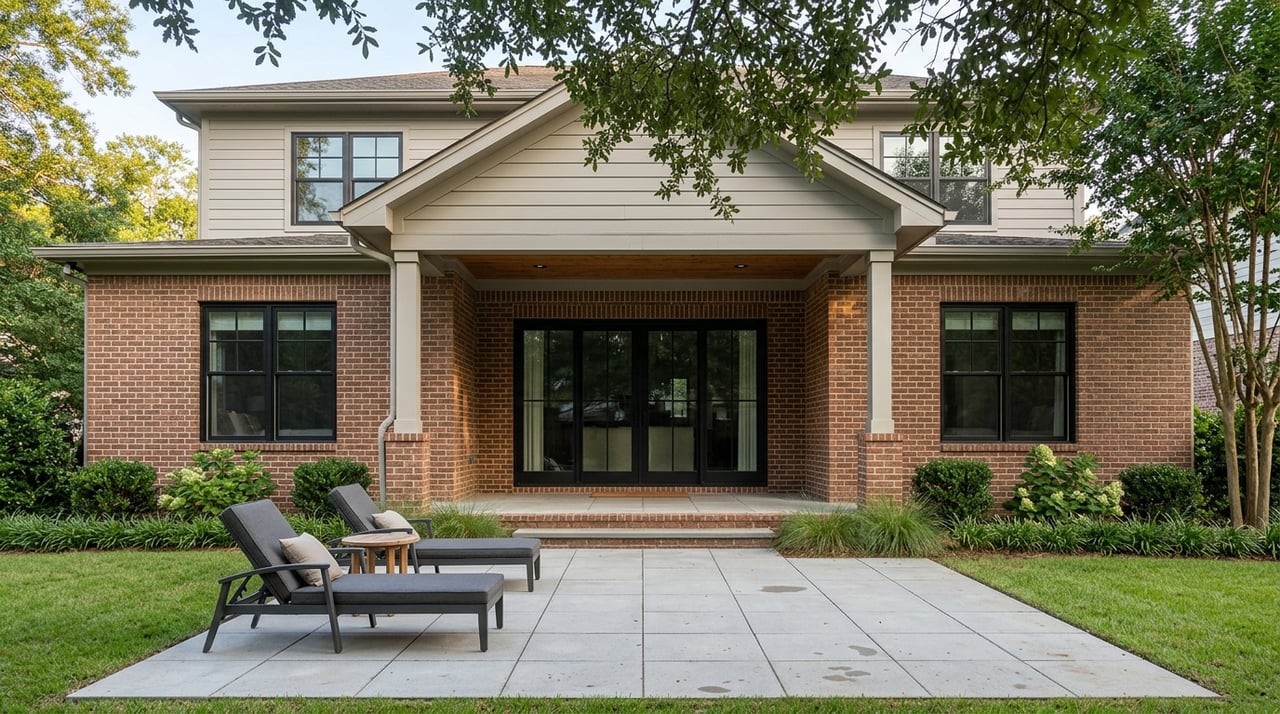
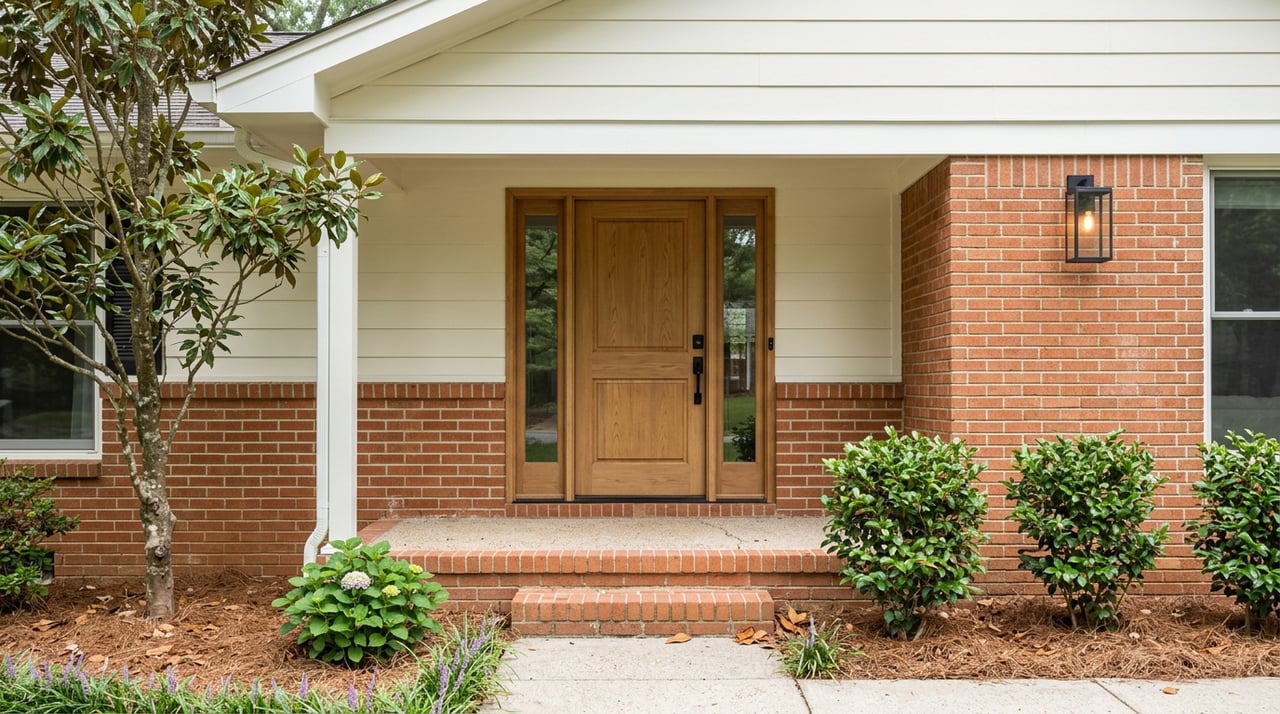
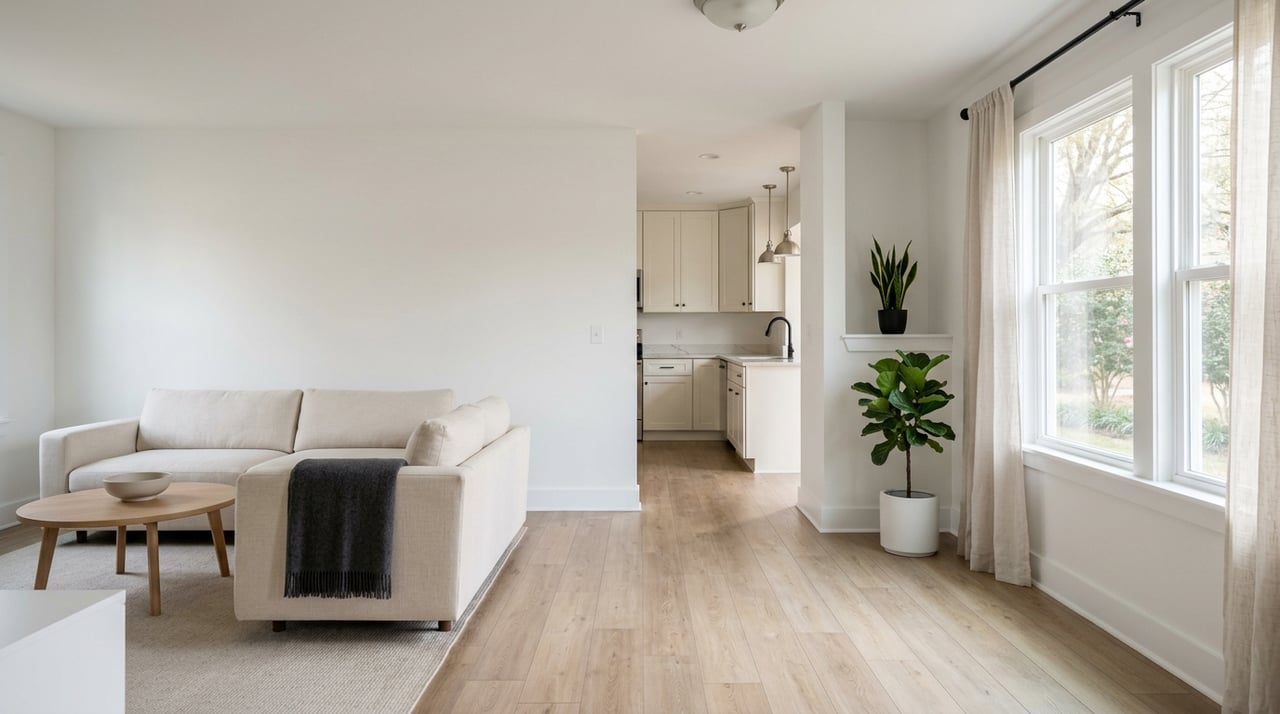
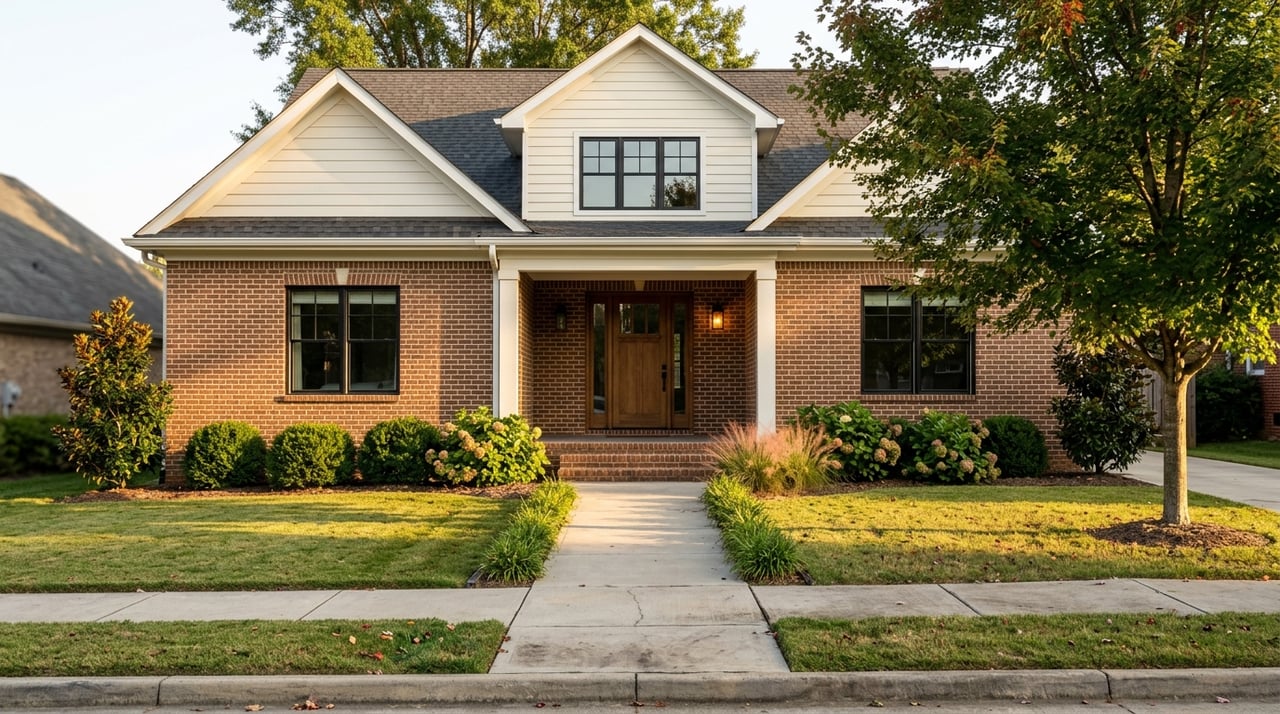
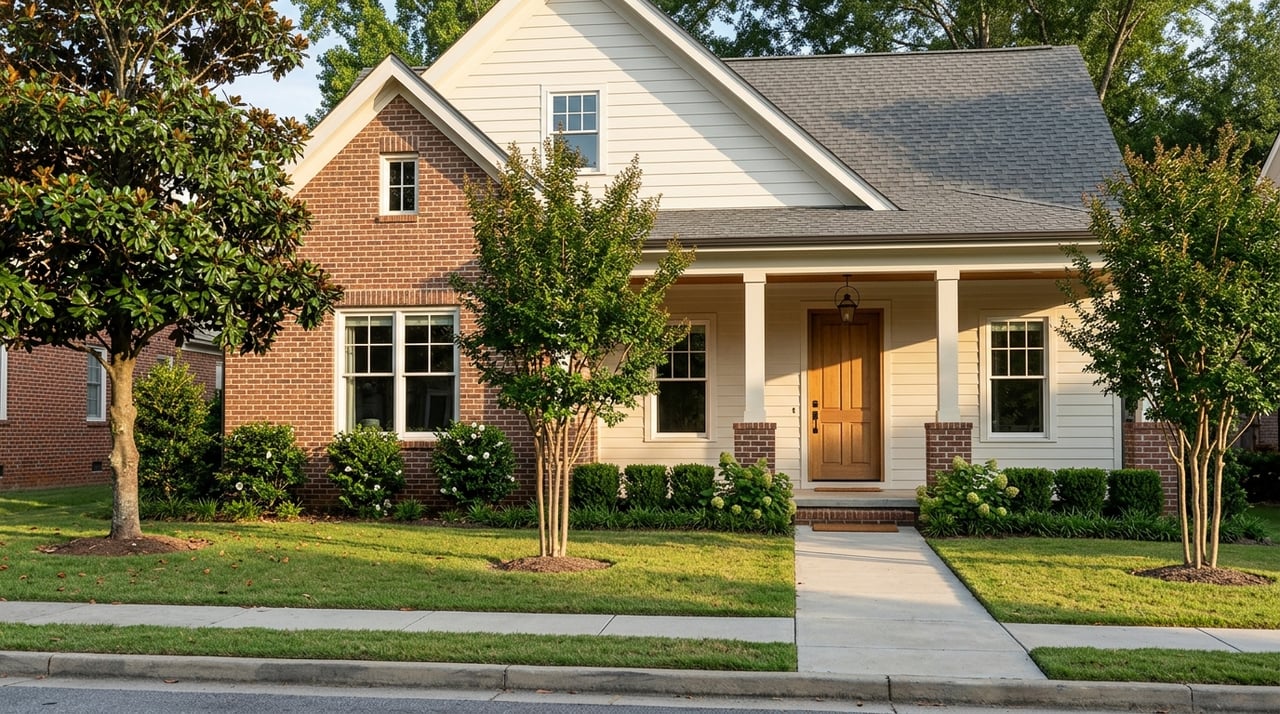
Housing near Historic Roswell is not one-size-fits-all. The district includes a mix of preserved historic homes, converted historic structures, and newer infill or mixed-use options nearby.
Roswell’s historic-house resources identify properties such as Barrington Hall, Bulloch Hall, and Mimosa Hall as important examples of Greek Revival architecture, while Smith Plantation is noted for vernacular architecture. The district’s significance also includes architecture, landscape architecture, and community planning, as reflected in the National Register listing.
You can also see the area’s layered housing story in places like The Bricks at Sloan and Mill, which Visit Roswell notes were originally mill-worker apartments and are now private residences and businesses. In practical terms, that means buyers may find very different types of homes depending on where they focus their search.
What Buyers Often Expect to See
If you are searching near the district, you may come across:
- Historic homes with preserved architectural character
- Updated cottages or older homes with renovations
- Converted historic structures
- Newer infill or mixed-use housing near the core
This variety is part of what makes the area interesting. It also means your home search may involve balancing charm, updates, lot size, and walkability.
Price Context for Roswell Buyers
If you are trying to understand pricing, it helps to start with a citywide benchmark. Zillow reported Roswell’s average home value at $646,554 as of February 28, 2026, with a median sale price of $622,667 and a median list price of $643,833.
That is not specific to Historic Roswell alone, but it does give useful context. Homes near the historic core are likely to vary widely based on size, lot, renovation level, and housing type.
For buyers, that means it is important to compare properties carefully rather than assuming every home near the district fits the same pricing pattern. Two homes just minutes apart can offer very different lifestyles and value depending on their location and condition.
Is the Appeal More Charm or Convenience?
For most people, the answer is both. Historic Roswell has visual appeal, but what really drives interest is how the area functions day to day.
You are not only buying into a historic setting. You are also buying proximity to restaurants, coffee shops, public events, parks, trails, and a walkable town center. That combination can be hard to find in a suburban market.
If that lifestyle matches what you want, Historic Roswell can offer a strong blend of character and convenience. And if you are comparing it with other Atlanta-area suburbs, it helps to work with someone who can show you how the housing options and daily rhythm differ from one area to the next.
If you are considering a move in Roswell or another Atlanta suburb, Joshua Vigliotti can help you compare neighborhoods, understand local housing options, and build a plan that fits your goals.
FAQs
What is the Historic Roswell district in Roswell, GA?
- Historic Roswell is the city’s historic core, listed on the National Register of Historic Places, and centered around places like Canton Street, Roswell Town Square, historic homes, museums, restaurants, and public spaces.
What is everyday life like near Canton Street in Roswell?
- Daily life near Canton Street can include walkable dining, coffee shops, shopping, public events, and easy access to historic sites and outdoor spaces, especially if you live close to the district’s core.
Is Historic Roswell walkable for daily errands and dining?
- The areas closest to Canton Street and Town Square tend to feel the most walkable, and the city continues to invest in sidewalks, crossings, trails, and pedestrian connections in and around the district.
How does parking work in downtown Historic Roswell?
- Roswell provides free parking at City Hall, additional free lots, paid city-owned parking near Canton Street, and on-street spaces, though some areas can become more limited during major events.
What kinds of homes are near Historic Roswell?
- Buyers may find a mix of preserved historic homes, renovated older properties, converted historic structures, and newer infill or mixed-use housing near the district.
How much do homes cost in Roswell, GA?
- As of February 28, 2026, Zillow reported an average Roswell home value of $646,554, though prices near Historic Roswell can vary significantly depending on location, size, condition, and housing type.