If you plan to sell your home in Snellville in the next 90 days, waiting until the last minute can cost you time and leverage. Right now, local market data points to a slower pace than the ultra-fast markets sellers saw in past years, which means pricing, presentation, and preparation matter more. The good news is that you do not need a full remodel to get your home ready. You need a smart plan, a clear timeline, and a strong launch. Let’s dive in.
Why the next 90 days matter
Snellville sellers are working in a market where buyers have options. Redfin reports a February 2026 median sale price of $347,450 and 65 median days on market, while the same local market overview notes that homes are not moving at a two-week pace. The broader Gwinnett County picture also supports careful preparation, with single-family homes at a year-to-date median sales price of $419,000, 58 days on market, 97.7% of list price received, and 3.1 months of inventory according to county market data cited in the research report.
That means your checklist should focus on the things buyers notice first. In Snellville and greater Gwinnett, much of the housing stock is detached and older, with many homes built before 2000. For many sellers, the best return comes from visible maintenance, clean presentation, and accurate pricing rather than major construction.
Start with a selling strategy
The first step is not paint. It is your plan.
According to the National Association of REALTORS® 2024 buyer and seller highlights, 90% of sellers used a real estate agent, and sellers most valued help with marketing, competitive pricing, and selling within a specific timeframe. In a market where homes may take close to two months to sell, getting guidance early can help you avoid rushed decisions later.
A strong strategy should answer a few key questions:
- When do you want to be on the market?
- How much prep work makes sense in your timeline?
- Which repairs are worth doing before listing?
- What price range fits current conditions in Snellville?
- How will your home stand out online?
This is where local knowledge matters. A home that launches with the right timing, condition, and pricing has a better chance of attracting serious buyers early.
Days 90 to 61: Plan, declutter, and triage repairs
The first month of your 90-day window is about getting organized. You are building the foundation for everything that comes next.
Book your listing consultation early
If you are serious about selling, this is the time to talk through pricing, timing, and market position. Early guidance helps you decide what to fix, what to leave alone, and how to spend your time wisely. It also gives you time to gather documents and avoid a rushed pre-listing scramble.
Declutter room by room
Buyers need to see space, not storage. Start removing anything you do not use every day, including extra furniture, off-season clothing, crowded bookshelves, and packed countertops. If a room feels full to you, it will likely feel smaller in photos.
Focus on these spaces first:
- Living room
- Kitchen counters and pantry
- Primary bedroom
- Bathrooms
- Entryway
- Closets
Separate true repairs from cosmetic updates
Not every project belongs on your to-do list. In the City of Snellville permit FAQ, cosmetic work such as painting, flooring, cabinets, countertops, trim, and similar finish updates generally does not require a permit. More involved work like additions, structural changes, electrical or plumbing changes, basement finishing, and roof-line changes typically does.
That distinction matters in a 90-day timeline. Cosmetic improvements can often fit the schedule. Major work may not.
Gather paperwork now
Start a folder for the documents buyers may ask about later. Useful items include:
- Repair receipts
- Warranty information
- Permit records
- HOA documents, if applicable
- Survey or plat information
- Records for fences, easements, or drainage issues
The Snellville city FAQ also notes that surveys or final plats may be available through local records. Pulling these items early can make contract-to-close smoother.
Check for lead-based paint disclosures
If your home was built before 1978, federal disclosure rules apply. The EPA lead-based paint disclosure rule requires sellers of pre-1978 housing to provide specific disclosures and any known records or reports. It is much easier to handle this at the start than during negotiations.
Days 60 to 31: Make smart updates and improve curb appeal
This is the phase where your home should start looking market-ready. The goal is to improve condition and first impressions without turning the project into a full renovation.
Focus on visible, low-disruption fixes
Most sellers benefit more from simple improvements than expensive overhauls. Think about the details that show wear in everyday living and stand out in photos.
Your repair checklist might include:
- Patching nail holes or wall dings
- Touch-up paint
- Re-caulking tubs, showers, or sinks
- Replacing worn light fixtures or hardware
- Fixing sticky doors or loose handles
- Cleaning or refreshing grout
- Repairing minor trim damage
These updates can make your home feel better cared for, especially in an area where many homes are not brand new.
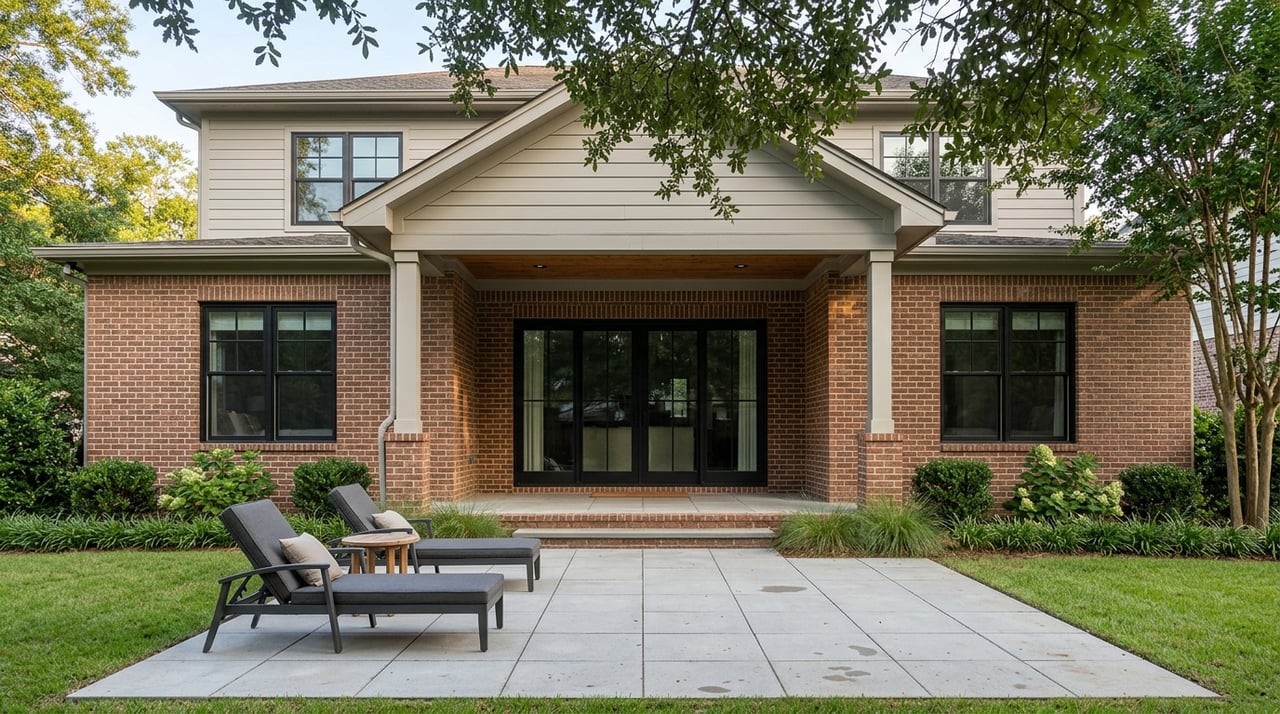
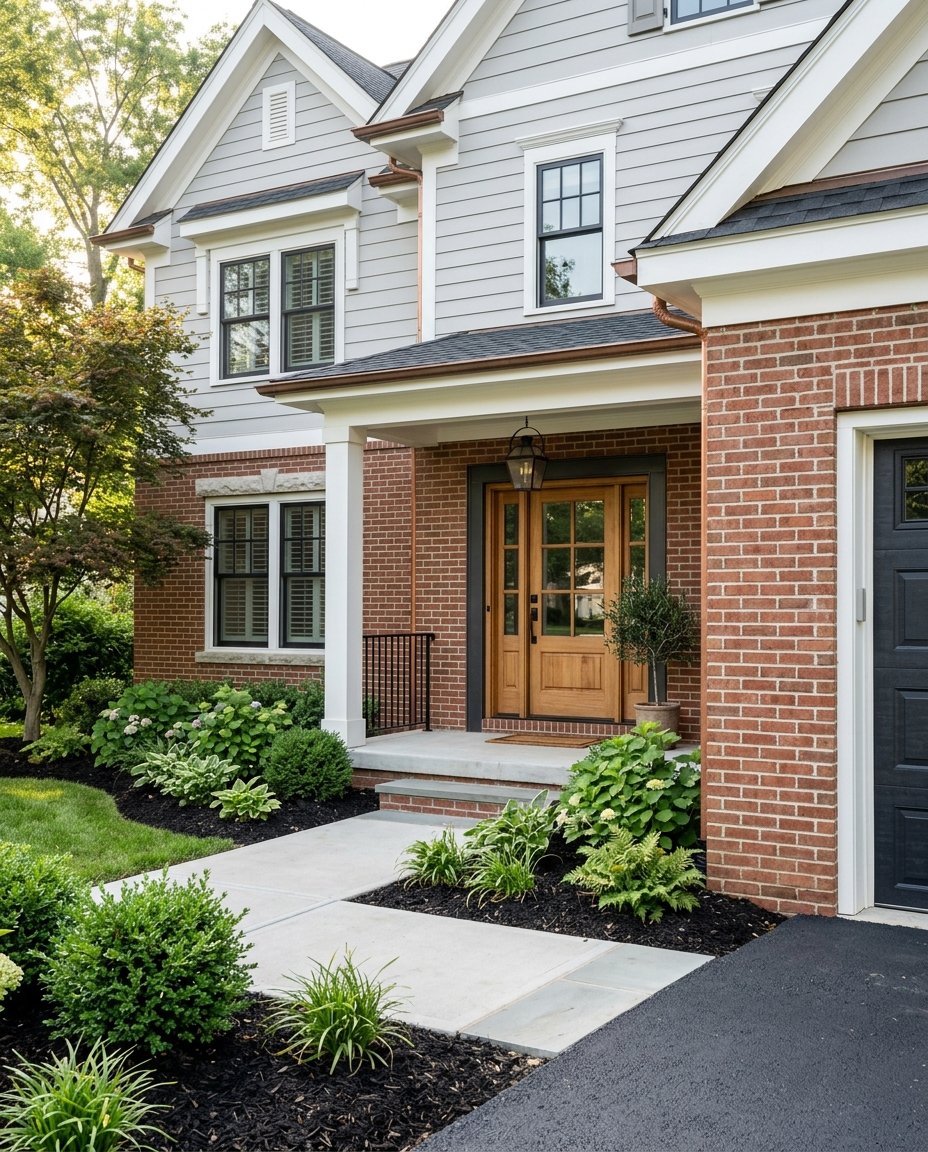
Refresh the exterior
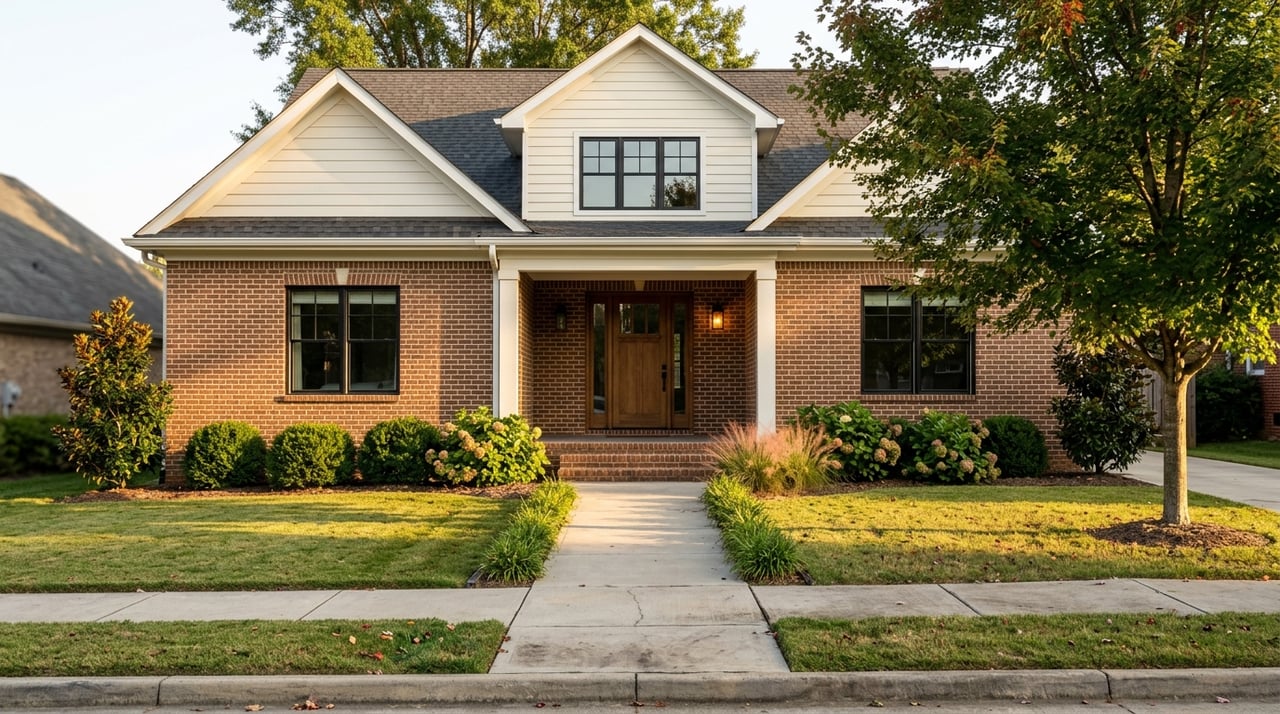
Curb appeal still matters, even when most buyers begin online. Gwinnett County identifies severe thunderstorms and high winds as frequent natural hazards in the county planning document cited in the research report. That makes exterior maintenance especially important before photos and showings.
Take a close look at:
- Gutters
- Siding
- Trim
- Walkways
- Landscaping
- Driveway edges
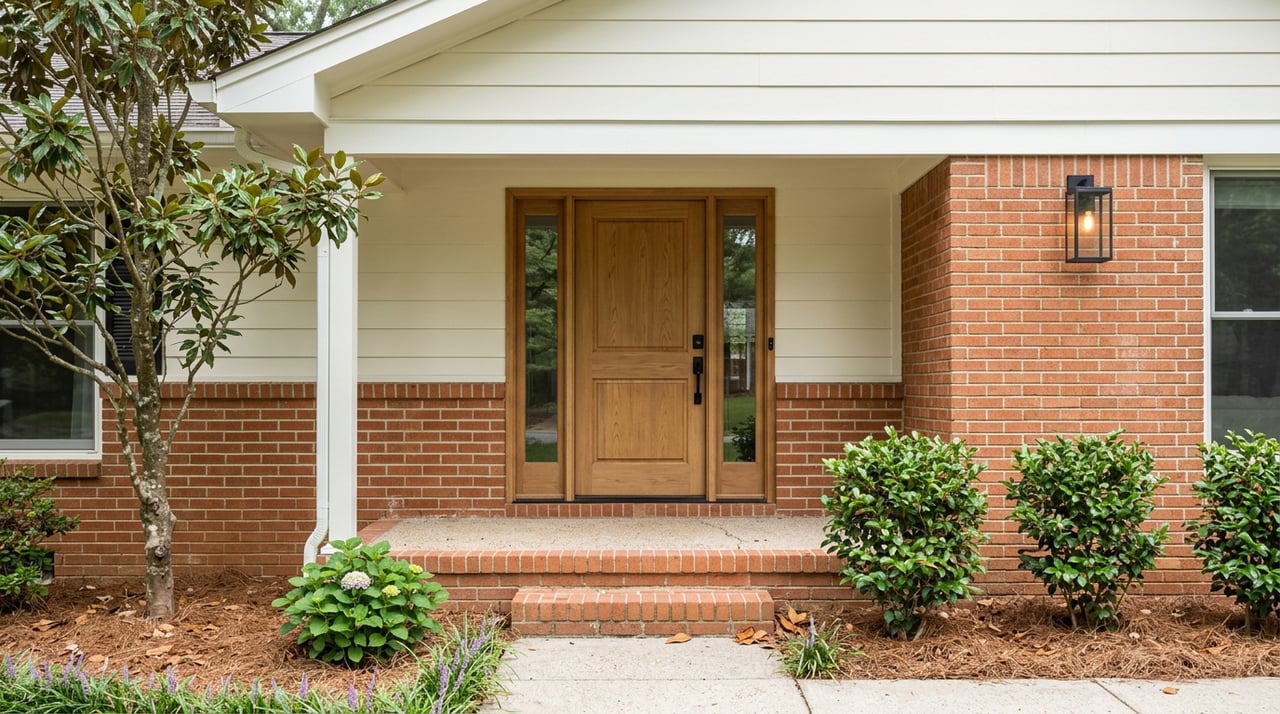
- Front entry condition
A simple wash-down, yard cleanup, and trimmed landscaping can go a long way.
Consider light staging where it counts most
Staging does not have to mean furnishing your whole house from scratch. The NAR 2025 Profile of Home Staging found a median spend of $1,500 for a staging service, and it also found that the most commonly staged rooms are the living room, primary bedroom, and dining room.
If you want the biggest impact, start with the rooms buyers tend to remember most:
- Living room
- Primary bedroom
- Kitchen
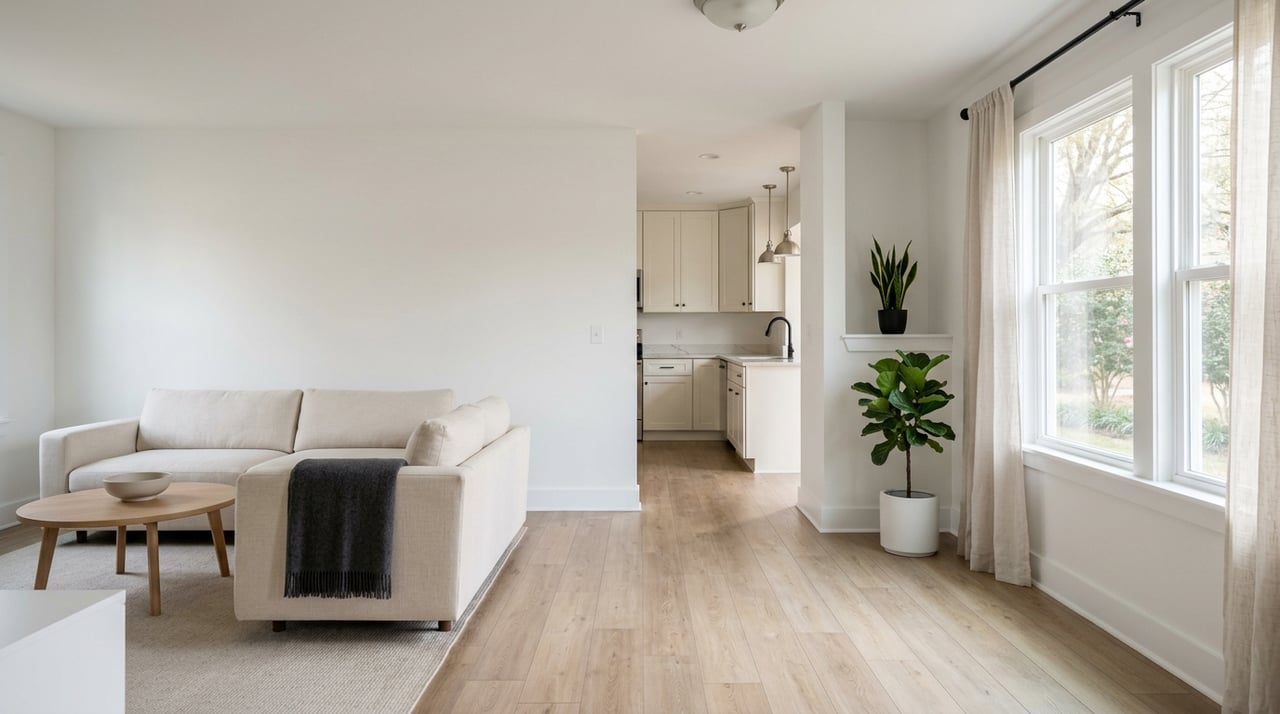
A lighter touch can still work well. Neutral bedding, fewer decorative items, cleaner surfaces, and improved furniture layout can help each room photograph better and feel more open.
Days 30 to 1: Stage, photograph, and launch strong
The final month is about presentation and precision. By now, your home should be clean, simplified, and nearly show-ready.
Deep clean before media day
Your first showing is usually online. The NAR 2024 survey found that 43% of buyers started their home search on the internet, 51% found their home through online search, and some homes were viewed online only. That makes your listing photos and digital presentation a major part of your sale strategy.
Before photos, make sure you:
- Clean windows and mirrors
- Remove personal items
- Clear kitchen and bathroom counters
- Hide cords, pet items, and trash bins
- Open blinds or curtains for natural light
- Replace burned-out bulbs
Prioritize the rooms that drive online interest
The NAR 2025 staging report found that 83% of buyers' agents said staging makes it easier for buyers to visualize a property. The same report noted that photos, videos, and virtual tours are highly valued listing features, with photos leading the way.
If you have limited time or budget, focus your final effort on:
- Living room
- Primary bedroom
- Kitchen
- Front exterior
Those spaces do a lot of work in both listing photos and in-person showings.
Create a launch checklist
Before your home goes live, confirm that all the moving parts are ready. A simple launch checklist can help you avoid delays.
Final launch checklist:
- Home is fully decluttered
- Minor repairs are complete
- Key rooms are staged or simplified
- Deep cleaning is finished
- Photos are scheduled after staging and cleaning
- Required disclosures are prepared
- Repair, permit, and warranty records are organized
- Showing instructions are clear
Open houses can still play a role, but they should not be your main plan. The NAR 2024 report found that only 23% of buyers considered open houses very useful. Your strongest first impression is usually your online listing.
Snellville-specific details to double-check
Before starting any project, confirm whether your home is inside Snellville city limits or in unincorporated Gwinnett County. The City of Snellville handles permits within city limits, while Gwinnett County Building Services handles permits and inspections in county jurisdiction. That can affect where you go with questions if you plan any work before listing.
This is especially important if you are considering anything beyond cosmetic updates. Even if the work seems minor, checking jurisdiction first can help you avoid delays or paperwork issues during the selling process.
What matters most in this market
In a market where buyers have time to compare homes, your edge comes from preparation. You do not need to over-improve your property to compete in Snellville. You need the right combination of pricing, visible upkeep, clean presentation, and strong digital marketing.
That is where a thoughtful 90-day checklist can make a real difference. When you start early, you give yourself room to make smart choices instead of expensive last-minute ones. And when your home hits the market looking polished and properly positioned, you are in a much better spot to attract serious buyers.
If you are thinking about selling in Snellville, Joshua Vigliotti can help you build a clear plan, prioritize the right updates, and launch with confidence.
FAQs
When should you contact an agent before selling a home in Snellville?
- You should ideally reach out at the beginning of the 90-day window so you can build a pricing, prep, and marketing plan before making updates.
Which home updates matter most before listing a Snellville property?
- The most practical updates are usually minor repairs, touch-up cosmetics, curb appeal improvements, and staging or simplifying the living room, primary bedroom, and kitchen.
Do you need permits for pre-sale home improvements in Snellville?
- Cosmetic work like painting and some finish updates generally does not require a permit, but structural, electrical, plumbing, basement, and roof-line changes typically do, so you should confirm your property jurisdiction first.
What documents should you gather before listing a home in Snellville?
- Useful documents include repair receipts, warranty records, permit history, HOA documents if applicable, and any survey or plat information related to the property.
What should be on your final launch checklist for a Snellville home sale?
- Your launch checklist should include decluttering, cleaning, completed minor repairs, staged key rooms, professional photos, organized disclosures, and a clear showing plan.