
Buying bigger while selling in Johns Creek can feel like a puzzle. You want the right home, the best timing, and a smooth handoff of keys without paying two mortgages for long. You also want a plan that respects local market realities and Georgia’s closing rules. In this guide, you’ll see the three main paths sellers actually take, the financing tools that make a buy‑first move possible, and a practical playbook tailored to Johns Creek. Let’s dive in.
Johns Creek market today
Johns Creek sits in the upper‑mid price band for the Atlanta suburbs. Recent data shows a median sale price around the mid to high $600s. Redfin reports about $665,000 and describes the city as somewhat competitive, with homes taking multiple weeks to sell on average. See the latest figures on the Redfin Johns Creek market page. Zillow’s local index shows a typical value near $684,000; their model differs, which explains the gap. You can view the trend on Zillow’s Johns Creek Home Values.
Because Johns Creek includes a range of micro‑markets, pricing and timing can vary by neighborhood and price tier. A home near Town Center may see different buyer activity than one near Medlock Bridge or Country Club of the South. Families often plan moves around school calendars, so spring and summer tend to be busy. Also review how homestead exemptions and property taxes could affect your net proceeds and new monthly payment. Fulton County outlines exemptions on its homestead exemptions page.
Pick your move‑up path
You have three practical options. The right choice depends on your equity, budget, local inventory, and timing needs.
Option A: Sell first, then buy
- Pros: You free up equity for a down payment, avoid carrying two mortgages, and make a stronger offer on your next home with no sale contingency. This can work well if your price tier is seeing steady demand.
- Cons: You may need temporary housing and storage unless you negotiate a short post‑closing occupancy. Plan for two moves or build in a rent‑back.
- Typical timing: After you accept an offer, financed closings in Georgia often run 30 to 45 days. That window is controlled by appraisal, underwriting, and disclosures. For perspective on common timelines, check a local title FAQ like Consumers First Title’s guide.
- Johns Creek example: You list a well‑prepared 4‑bed in Medlock Bridge, target a quick contract, then shop for a larger yard once funds clear. You use a short‑term rental for four weeks between closings.
Option B: Buy first, then sell
- Pros: You secure your next home on your timeline and move once. This is helpful when you need to align with a job change, childcare, or a narrow school‑zone search.
- Cons: You will likely carry two mortgages for a short period or use specialty financing. Fees and underwriting requirements can be higher, so this works best if you have solid equity and credit.
- How to make it work: A bridge loan can unlock down payment funds from your current home before it sells. See structure and qualifiers in this bridge loan overview. Trade‑in style programs can also help you write a non‑contingent offer by advancing equity or buying your home temporarily; review how these services work and typical fees in HomeLight’s program explainer. Some sellers also consider iBuyer cash offers for speed and certainty, but nets are often lower after fees. Learn how these offers compare on iBuyer.com’s guide.
- Johns Creek example: You win a newer home near the Autrey Mill area using a bridge loan, then list your current place two weeks later once it is photo‑ready.
Option C: Coordinate concurrent closings
- Pros: You move once and minimize overlap, scheduling your sale and purchase back‑to‑back or even same day.
- Cons: Same‑day funding is complex. In Georgia, a licensed attorney handles settlement and disbursement, and Good Funds rules govern when money can be released. That means timing, wiring, and recording have to be exact. See the statute here: O.C.G.A. § 44‑14‑13. A practical view of closing timelines appears in this title FAQ.
- Johns Creek example: You close your sale at 10 a.m., your purchase at 1 p.m., and get keys by evening. You and your attorney pre‑cleared payoff letters, wiring, and HOA docs a week before.
Financing tools that bridge the gap
Bridge loans
A bridge loan is a short‑term, equity‑backed loan that helps you buy before you sell. Lenders often want clear repayment from sale proceeds or refinance, plus strong credit and meaningful equity. Costs are higher than a standard mortgage, but your offer becomes more competitive since it is not tied to selling first. Review how these loans work in this bridge loan guide.
Home equity options
A HELOC or home equity loan can supply cash for your next down payment before listing. These tools raise your debt‑to‑income ratio, so talk with your lender about timing and whether to keep the line open through your next approval. Many move‑up sellers draw only what they need, then pay off the balance when their sale closes.
Sale contingencies that stick
Sale‑contingent offers are possible, but they are less attractive in competitive price tiers. If you use one, pair it with strong terms, clear deadlines, and a solid backup plan such as a bridge loan or short‑term housing.
Georgia closing timing essentials
- Attorney settlement: In Georgia, a licensed attorney handles settlement and funds disbursement for most residential closings. The state’s Good Funds rules govern when money can be released, which affects same‑day proceeds and back‑to‑back closings. Read the statute at O.C.G.A. § 44‑14‑13.
- Typical speed: Cash purchases can close quickly once title is clear. Financed purchases often take 30 to 45 days due to appraisal and underwriting. See common timelines in Consumers First Title’s FAQ.
- Wiring and recording: Attorneys may wait for collected funds and recording confirmation before disbursing some proceeds. To avoid delays, verify wire instructions early, schedule your outgoing wires with your bank, and confirm cut‑off times with the closing attorney.
- Payoff letters and HOA docs: Order payoff statements and HOA letters as soon as you go under contract so they do not expire before closing.
Post‑closing occupancy and rent‑backs
If you need to stay in your home briefly after closing, you can request a written post‑closing occupancy agreement. Spell out move‑out date, daily rent, deposits, utilities, and holdover penalties, and consider an escrow holdback for protection. Keep in mind that Georgia’s dispossessory process can still take time if a dispute occurs. For a practical overview of the state process, see this Georgia eviction process guide. Clear agreements reduce risk for everyone.
Prep your Johns Creek home for market
Targeted updates that pay
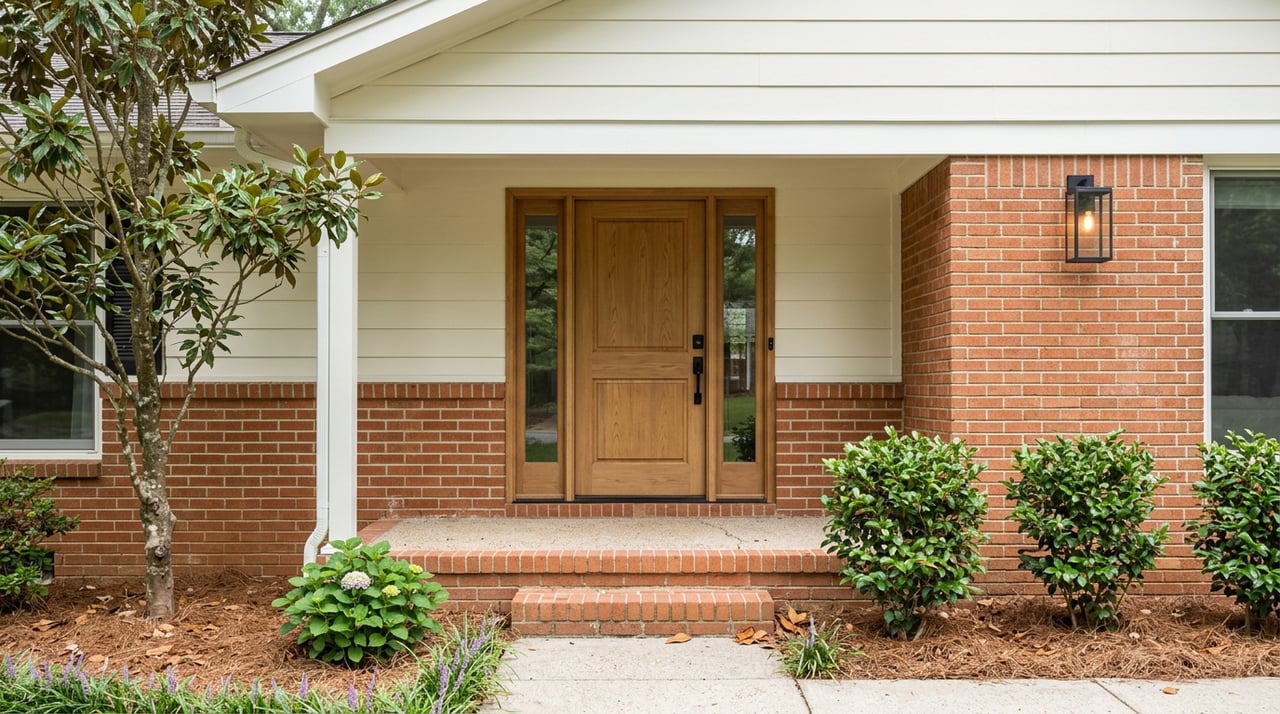
You do not need a remodel to sell well. Industry research shows modest, visible upgrades often deliver the best short‑term return. Projects like new entry or garage doors, interior paint, simple kitchen refreshes, light landscaping, and mid‑range bath updates tend to outperform big gut jobs. Explore national ROI trends in Cost vs. Value. In Johns Creek, buyers respond to clean, move‑in ready presentation with professional photos and a tidy yard.
Pricing and launch timing
In a somewhat competitive market, pricing a clean listing near a clustered price point can pull in early showings. If inventory is higher in your tier, a value‑based price paired with strong marketing can maximize net proceeds. Your final launch date should align with your buy plan and local activity in the two weeks before you go live.
A simple step‑by‑step plan
Confirm your numbers. Review neighborhood comps and estimate net proceeds after commissions, closing costs, and loan payoff. Build a draft budget for your purchase.
Pick your sequence. Decide whether you will sell first, buy first, or aim for concurrent closings based on equity, monthly budget, and local inventory in your target tier.
Choose financing support. If buying first, discuss a bridge loan or home equity line with your lender. If you want speed and certainty, compare trade‑in or cash‑offer options and estimate net proceeds versus a traditional sale.
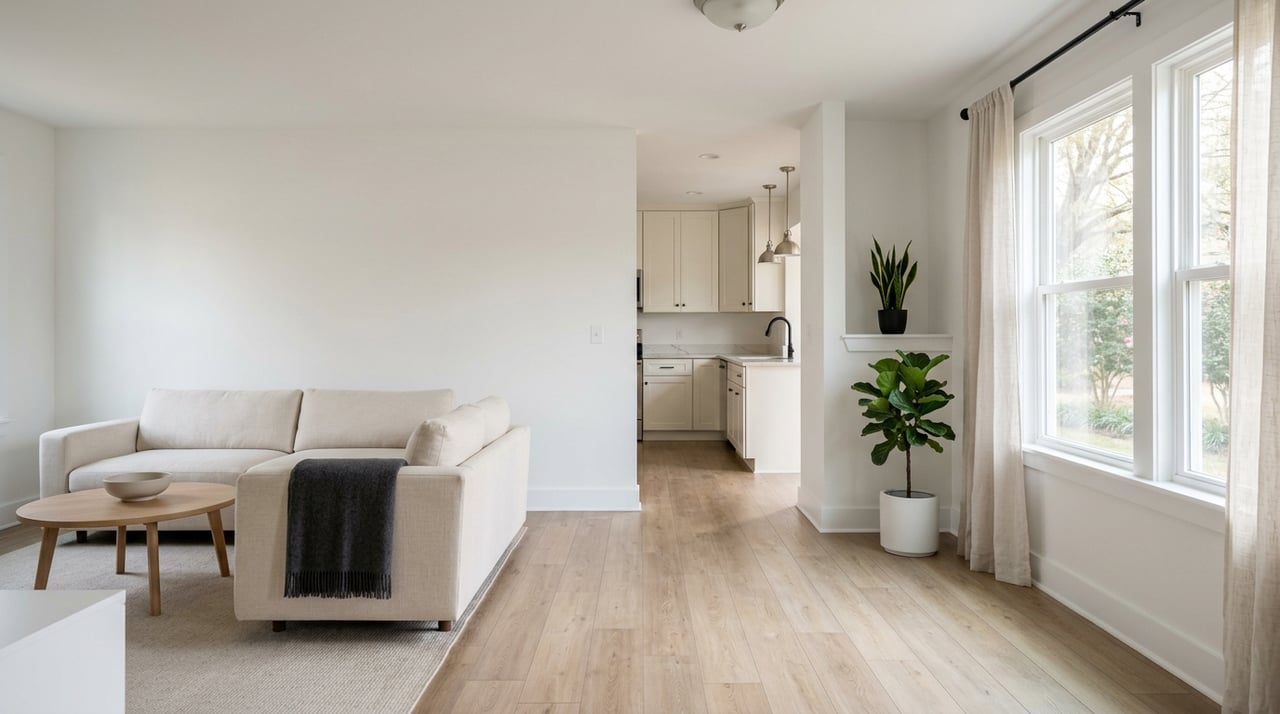
Prep the home. Focus on curb appeal, neutral paint, minor kitchen and bath touch‑ups, deep cleaning, staging, and professional photos. Gather receipts and warranties for recent upgrades.
Plan closing logistics. Select a Georgia closing attorney early, confirm payoff timing, HOA letters, wire instructions, and how Good Funds rules could affect same‑day moves.
Build a move plan. Price out movers, storage, and short‑term housing as a backup. If you will need a rent‑back, outline terms before you accept an offer.
Ready to plan your move‑up?
You do not have to guess your way through a buy‑and‑sell. Let’s map a clear, number‑based plan for your Johns Creek move, including sale timing, estimated net proceeds, pre‑list fixes, and financing options that fit your budget. Schedule a consultation with Joshua Vigliotti to get your custom move‑up plan.
FAQs
How should a Johns Creek seller decide between selling first or buying first?
- Start with equity and budget. If you have strong equity and can cover a short overlap, buying first with a bridge loan or trade‑in program can reduce pressure. If your equity is tighter or you prefer to keep monthly costs low, selling first is safer.
What is a bridge loan and when does it make sense?
- A bridge loan is a short‑term, equity‑backed loan that funds your next purchase before your sale closes. It can make sense if you have solid equity and credit, and you want a non‑contingent offer.
Can I close my sale and purchase on the same day in Georgia?
- Yes, but timing is tight. A Georgia attorney must handle settlement and Good Funds rules control when money can be released, so wire cut‑offs and recording need careful planning.
Are rent‑backs safe if I need to stay after closing?
- They can work when documented well. Use a written post‑closing occupancy agreement with clear dates, rent, deposits, and holdover terms, and consider an escrow holdback.
What timing should I expect for a financed buyer?
- Many financed purchases close in about 30 to 45 days due to appraisal and underwriting. Cash purchases can be faster once title is clear.
How do homestead exemptions affect my move‑up?
- Homestead exemptions can reduce property taxes on your primary residence. When you move, confirm how and when to file for your new home and how this affects your monthly costs.
Do sale‑contingent offers work in Johns Creek?
- They can, but they are less competitive in active price tiers. If you use one, add strong terms and a backup plan like a bridge loan or short‑term housing.
What prep delivers the best ROI before listing?
- Focus on visible, modest upgrades such as interior paint, basic kitchen or bath refreshes, curb appeal, staging, and pro photography. Big remodels rarely pay back right before sale.